
Go to the nearest emergency room or call 911 (or your local emergency service number) if you or a loved one has any concerning symptoms of alcohol withdrawal. Alcohol withdrawal can range from very mild symptoms to a severe form, known as delirium tremens. If you experience an alcohol-related seizure, seek immediate medical attention.
Monitoring Chronic Conditions
Hallucinations may be visual, tactile or auditory, and may be accompanied by paranoid ideation or delusions, alcohol withdrawal seizure and abnormal affect (agitation, anxiety, dysphoria). Once the seizure is over, put the individual on their side and wait for emergency services to arrive – do not attempt to help them with the medication you have at your disposal. Furthermore, being in a professional setting offers a structured environment free from triggers and temptations, ensuring a safer and more effective detox journey. Simply put, seeking professional help not only enhances the chances of successful recovery, but also prioritizes the individual’s overall long-term well-being. Whether you choose an inpatient treatment center or individualized outpatient counseling, group therapy, or other methods, professionals can assist on the journey to a healthier, alcohol free life. Alcohol-related seizures in those with epilepsy mostly occur due to alcohol withdrawal rather than the act of drinking itself.
- Yet the value of EEG in the setting of alcohol withdrawal seizures is limited and findings such as epileptiform activity should prompt the evaluation of an underlying epilepsy (23).
- If you consistently consume significant amounts of alcohol, your CNS gets used to this effect.
- Treatment significantly lowers the likelihood that symptoms will become deadly.
- Research has shown that after having alcoholic seizures due to alcohol withdrawal and binge drinking, the brain becomes more reactive.
- Drinking too much alcohol can lead to life-threatening conditions, such as seizures.
Addiction Treatment Programs
Alcohol throws a wrench in the works by mimicking GABA and increasing its depressant effects. This significant disruption to our brain activity can trigger seizures for those who may have epilepsy and even for those who don’t. Hyponatremia in alcohol abusers generally shows a benign clinical course, and usually corrects with cessation of alcohol intake and re-institution of a normal diet (29). The serious disorder of central pontine myelinolysis is thought to be triggered by osmotic gradients in the pons, a situation that might result from attempts to correct electrolyte disturbances too rapidly (32). If parenteral treatment is considered necessary, according to a retrospective study, the rate of serum sodium correction should not exceed 10 mmol/l per day (57).
Clinical spectrum
- This dual action leads to a state of neural depression, which the brain eventually adapts to by reducing GABA receptors and increasing glutamate receptors to restore balance.
- These medications work by stabilizing the brain’s electrical activity, preventing the sudden surges that cause seizures.
- Treatment options are available for people who struggle with mild to severe alcohol dependence and addiction.
- Additionally, alcohol withdrawal triggers inflammation and oxidative stress, which can further disrupt electrolyte balance and neuronal stability.
- These usually occur within 48 hours of the last drink but could occur at any time during the first week of withdrawal.
Medications such as benzodiazepines, which enhance GABA activity, are commonly used to dampen the overexcitement and prevent seizures. Without proper treatment, the hyperactive state can progress to more severe complications, such as delirium tremens, a life-threatening condition characterized by profound confusion, hallucinations, and seizures. Thus, recognizing the neurobiological basis of alcohol withdrawal seizures is crucial for effective prevention and treatment, emphasizing the need for a controlled and supportive approach to detoxification. Firstly, it can lead to alcohol dependence, which means that if an individual stops drinking, they will experience withdrawal symptoms, and seizures are a potential symptom of alcohol withdrawal. Withdrawal seizures can occur within a few hours or up to 72 hours after stopping drinking. They are more likely to occur in those who have consumed large amounts of alcohol over prolonged periods.
Up to one-third of people with significant alcohol withdrawal may experience alcohol withdrawal seizures. This abrupt change in our brain chemistry can also lead to seizures, as our brain recalibrates to functioning without alcohol’s depressant effects. Research shows that about 5% of those who experience alcohol withdrawal experience seizures, and more than 90% of those seizures occur within the first 48 hours after stopping drinking. Fetal alcohol spectrum disorders are more prevalent than previously recognized and cause a wide range of birth defects and neurodevelopmental disorders (53). There is no current evidence that alcohol-related seizures confer additional maternal or fetal risk, over and above those of alcohol abuse and seizures independently. A pregnancy test should be performed in all women of childbearing age with alcohol withdrawal (79).

Preventative steps may be taken if a seizure is anticipated, as preventing a seizure from occurring will eliminate the possibility of a status epilepticus event. Refractory is a medical term that simply means that a condition is not responding to normal treatments. This can, unfortunately, occur with DTs as well as less-lethal conditions such as depression. In cases of refractory DTs, the symptoms alcoholism treatment have been documented to last as long as 28 days. This is not only extremely unpleasant for the patient but this also increases the risk of dangerous complications as the time of greatest risk is prolonged over several weeks.
other neurological disorders associated with alcoholism
The dangerous withdrawal symptoms that are more likely through kindling include seizures, heart problems, and death. If you’ve gone through alcohol or depressant withdrawal in the past, you should seek medical attention before quitting alcohol. Alcohol withdrawal seizures typically develop 6-48 hours after you stop drinking, but they can occur 2-7 days after your last drink. The seizures can develop abruptly without warning, and multiple seizures can occur within a 6- to 8-hour period. In fact, studies have found that in 40-50% of adults who present to emergency departments or are admitted to hospital with new-onset seizures, the seizures are related to alcohol abuse. Ultimately, regular medical check-ups serve as a preventive strategy for maintaining quality of life and prolonging independence, particularly for those navigating the challenges of alcohol recovery.
Addressing Underlying Health Issues
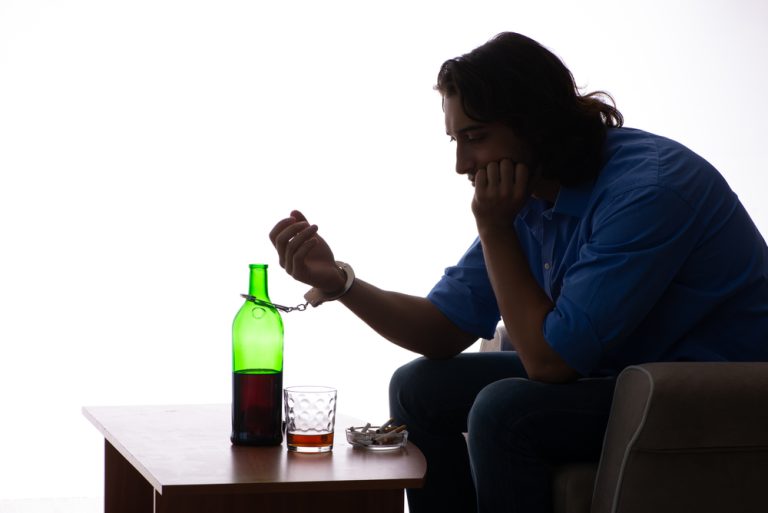
Individuals with a history of heavy, long-term alcohol use, previous withdrawal seizures, or co-occurring medical conditions are at higher risk. Those who consume large amounts of alcohol daily or have experienced severe withdrawal symptoms before are particularly vulnerable. DT is not merely characterized by seizures but also by a constellation of symptoms, including severe confusion, hallucinations, fever, and autonomic instability (e.g., rapid heart rate and high blood pressure). The presence of seizures in DT underscores the severity of the condition and the urgent need for medical intervention.
