
Recognizing ecchymosis patterns is crucial in identifying the severity of alcohol withdrawal symptoms and assessing the individual’s overall health status. The physical changes that indicate chronic alcohol consumption are more than skin-deep; they often reflect underlying health issues. Let’s delve into the science behind the “alcoholic face” and learn its key indicators.
The Blood Thinning Properties of Alcohol
In conclusion, alcohol consumption can indeed contribute to bruising by thinning the blood and making blood vessels more susceptible to rupture. Individuals who consume alcohol should be aware of this risk and take steps to reduce it, such as limiting alcohol intake, staying hydrated, and maintaining a balanced diet. If you experience excessive or unexplained bruising, it’s essential to consult a healthcare professional to rule out any underlying health issues and address any concerns promptly. Alcohol has a thinning effect on the blood, making it easier for blood vessels to rupture and leading to more substantial and frequent bruising. Additionally, chronic alcohol consumption can lead to deficiencies in certain vitamins and minerals, particularly vitamin K, which plays a crucial role in blood clotting.
Standard-dose DOACs not necessarily better than reduced dose, study results suggest
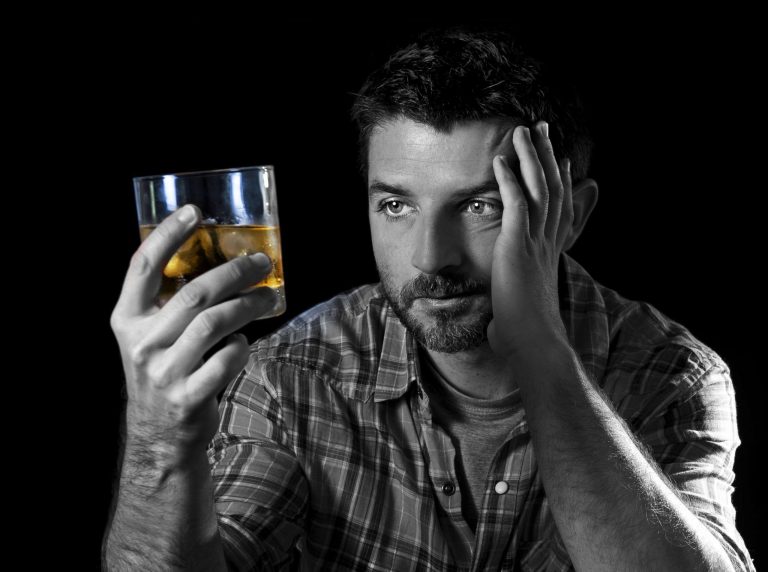
Since alcohol slows down central nervous system activity and communication, you take longer to register stimuli and decide what to do. It increases your chances of being hit in the forehead with an incoming football, but it alcohol and bruising may also cause you to bump into people or objects. As a result, you may be more likely to smack your knuckle on the knob and wake up with a bruised hand the next day. Motor control issues may begin when your blood alcohol level reaches 0.06, and they get really bad at 0.1. Under normal circumstances, your brain communicates with your body by sending signals through your central nervous system. Alcohol, like other psychoactive substances, interacts with your central nervous system by altering some of the chemical communication processes.
Botox Lip Flip: Procedure, Benefits, and What to Expect

In individuals with chronic alcoholism, distinct nail changes can occur, notably koilonychia and Terry’s nails. Koilonychia, or spoon-shaped nails, is characterized by concave, scooped-out nail surfaces. It often indicates iron-deficiency anemia or liver disease, both common in alcoholics due to poor nutrition and liver dysfunction. These nail changes are considered clinical markers and can be indicative of underlying health issues related to excessive alcohol consumption.
Why do alcoholics get easily bruised?
This is especially true when you consider the increased likelihood of them falling. Certain physical signs and symptoms might indicate that you’ve developed an alcohol addiction. Symptoms of alcoholism vary, but in this piece we’ll focus on some of the physical signs of alcohol dependence. It can help to give you a clearer picture of the ailments, sensations and changes to your body that might happen as a result of alcoholism. Some of the common symptoms of alcohol dependence are not being able to restrain your consumption, withdrawal reactions, or drinking despite such negative effects. If it’s repeatedly bruising after drinking, then maybe that’s one symptom with several others that alcohol might be harming your health in general.
In the long-term, these vessels can over-dilate, leading to spider veins on the skin. Platelets are important for the coagulation of blood and heavy drinking impairs the generation as well as function of these platelets. The more you drink, the lesser the chance that your blood will clot, you get bruises after drinking due to those left by some minor bruises. Mixing alcohol and medicines is harmful and may cause unpleasant side effects, one of which is bruising. Before consuming alcohol while taking medication, always consult with a healthcare professional. It is important to be aware of the possible dangers of combining these two, as such encounters may have detrimental repercussions for your general health and fitness.
This may come as a surprise to you, as drinking moderately, particularly when it’s red wine, is often said to protect your heart due to its antioxidant content. The disconnect arises because, at alcoholism treatment higher intakes, alcohol acts as a pro-oxidant, it actually generates free radicals rather than neutralizing their effects. As alcohol dries the skin, our natural defence against pathogens, this can also lead to repeated skin infections. End-stage alcoholics are also at a high risk of dying from accidents, trauma and suicide. It’s common at this point for alcoholics to have lost their jobs as well their friends and family.
Why Do Alcohol Drinkers Prefer Kratom While Taking A Break From Drinking?
According to a 2014 study, alcohol abuse can lead to malnutrition, excessive diarrhea, and excessive urination—all of which reduce vitamin C in the body, eventually causing bleeding and bruising. Other signs of an alcohol use disorder include spending a significant amount of time drinking, or consuming larger quantities of alcohol than intended. A person may also develop a tolerance for alcohol, meaning that they need larger and larger amounts to obtain the desired effects.
- For these reasons, individuals taking blood thinners are usually advised to limit or avoid alcohol to manage their condition safely.
- She hopes that one day her research and advocacy will help to save the lives of those who have been affected by substance use.
- In the article below, we will look at several reasons why you are bruising easily.
- Although we strive to deliver accurate and up-to-date information, no guarantee to that effect is made.
- Patients should be reminded that there are many foods other than green vegetables that contain vitamin K, such as liver, chick peas, avocado, olive oil and certain cereals.
The Concern: Alcohol After Botox
Furthermore, providing your body with essential nutrients can help to support optimal health. Other alcohol-related liver diseases resulting from consistent liver inflammation, like alcoholic jaundice (aka alcoholic hepatitis), are also common with chronic drinking. And since the liver controls blood clotting, alcohol-related liver disease can cause increased bruising, as well. Bruising comes into play when you bump a part of your body on a hard surface, causing blood vessels to rupture. While you’re drinking, the blood flow around the surface of your skin will increase; even minor bumps can cause blood vessels to burst, forming a bruise.
