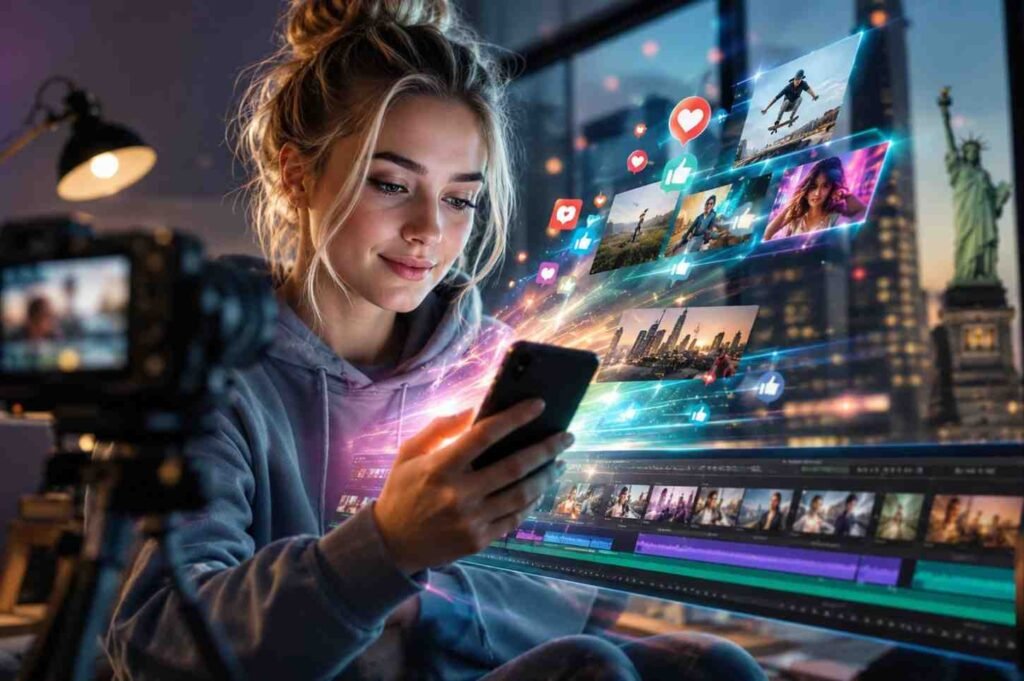
Some videos barely hold attention for three seconds. Others somehow make people watch all the way through without realizing that thirty seconds just disappeared. That difference usually has less to do with camera quality and more to do with editing psychology.
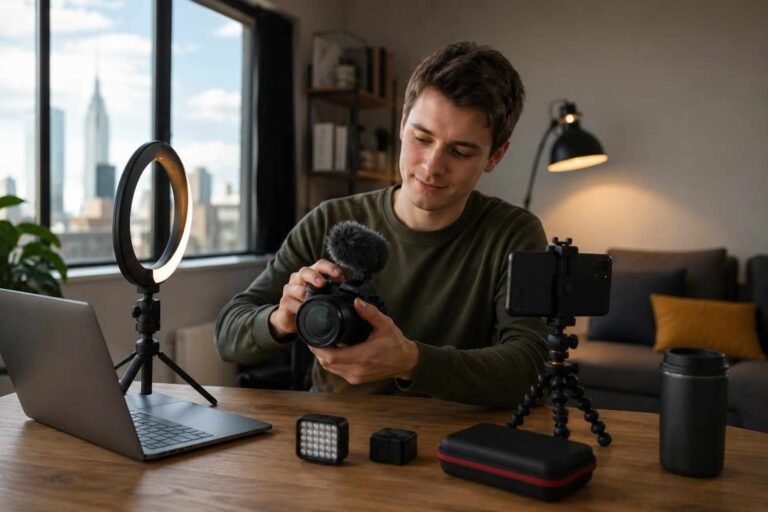
A lot of beginner creators assume influencers succeed because they own expensive cameras or advanced software. In reality, many top-performing short videos rely on pacing, visual rhythm, and retention-focused editing techniques that quietly keep the brain stimulated. Once you start noticing these patterns, it becomes impossible to unsee them. Nearly every successful Reel, TikTok, or Short follows the same attention-control principles in different ways.
Fast Pacing Keeps the Brain From Getting Bored
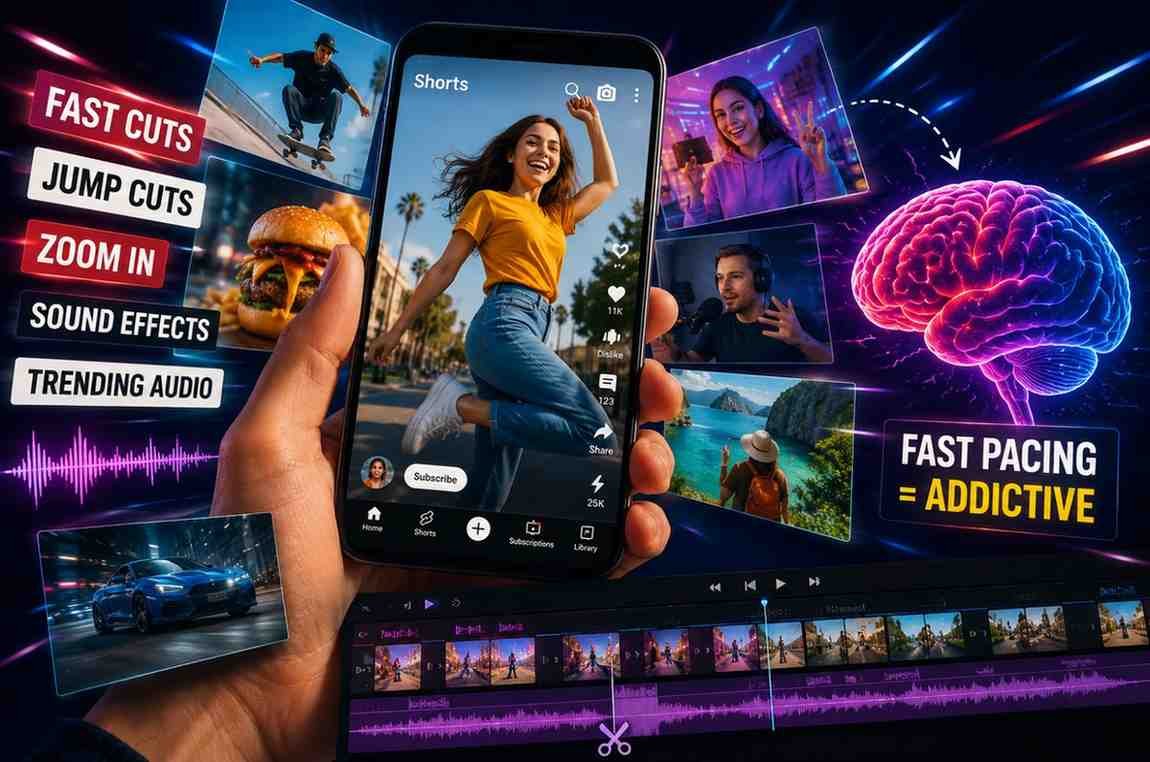
One of the biggest editing tricks influencers use is removing every unnecessary second. Most successful creators aggressively cut pauses, filler words, awkward breaths, and dead space.
This style of editing creates what many creators call “no-breath pacing.” The video constantly moves forward before the viewer has time to lose interest.
That’s why short-form videos often feel unusually fast compared to normal conversations. The brain keeps receiving fresh stimulation, which reduces the chance of scrolling away.
Many creators also follow an informal “1–2 second rule.” Something visually changes every couple of seconds:
- Camera angle
- Zoom level
- B-roll footage
- On-screen text
- Background clip
These constant shifts act as micro attention resets.
The interesting part is that viewers rarely notice this consciously. They just feel more engaged because the content keeps rewarding their attention with visual movement.
The First Three Seconds Matter More Than Most People Realize
Influencers understand that audience retention is often decided almost immediately. If the opening feels slow or predictable, viewers leave before the content even starts.
That’s why strong creators rarely begin videos casually anymore.
Instead, they use:
- Open-ended questions
- Unexpected visuals
- Bold statements
- Fast emotional reactions
- Immediate conflict or curiosity
Phrases like:
- “Nobody talks about this…”
- “You’re probably doing this wrong…”
- “This changed my content overnight…”
work because they create curiosity loops.
The brain naturally wants closure. When creators hint at information without fully revealing it, viewers stay longer waiting for the payoff.
This is one reason short-form storytelling performs so well in the creator economy. Good editing is not just visual. It is psychological.
Jump Cuts Quietly Control Viewer Attention
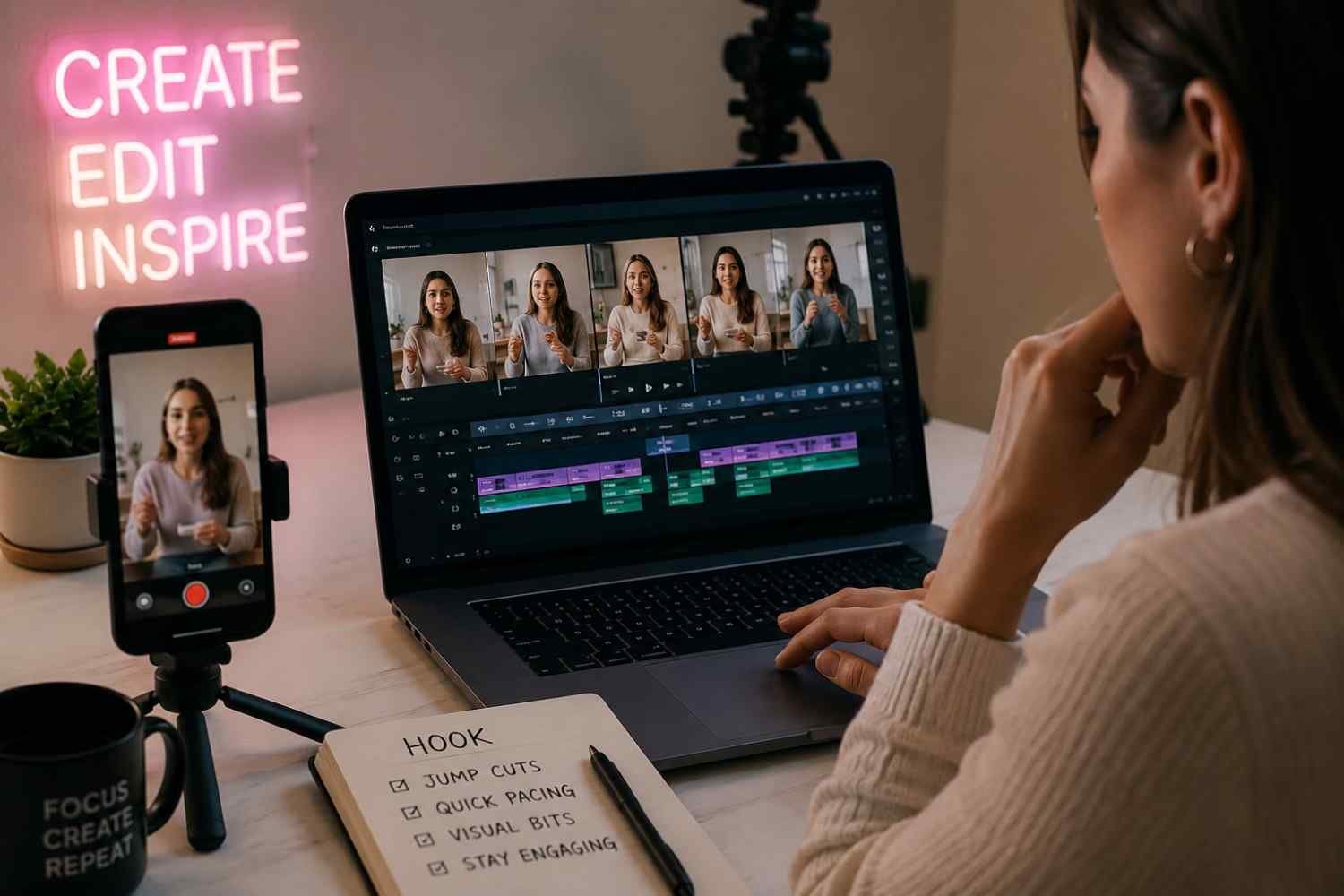
Jump cuts are everywhere in influencer content because they eliminate friction.
Instead of showing continuous footage, creators trim conversations tightly so the video feels faster and cleaner. Every sentence lands harder because the pacing stays compressed.
Without jump cuts, many videos suddenly feel awkwardly slow.
This editing style became especially dominant on:
- TikTok
- Instagram Reels
- YouTube Shorts
- Podcast clips
- Educational creator content
Jump cuts also create a feeling of confidence. Fast delivery subconsciously signals certainty and authority, which can improve engagement signals and watch time.
The danger, though, is overediting. Some creators cut so aggressively that the video becomes exhausting instead of engaging. Retention-focused editing works best when the pacing still feels natural enough for the brain to process comfortably.
Dynamic Zooms and Visual Interrupts Prevent Scroll Fatigue
Static visuals kill retention faster than most creators realize.
Influencers constantly introduce visual “pattern interrupts” to refresh attention before boredom appears. One of the easiest ways they do this is through dynamic zooms.
Even subtle zoom-ins can:
- emphasize emotion
- highlight key moments
- create urgency
- break visual repetition
This technique works because the brain reacts strongly to movement.
Creators also layer videos with:
- arrows
- text overlays
- reaction clips
- emojis
- screenshots
- B-roll footage
These additions create visual variety while helping viewers process information faster.
You’ll notice this especially in educational content. Instead of talking to the camera nonstop, creators switch between face shots, product footage, screen recordings, and captions to maintain engagement.
This is also why many beginner creators grow faster once they stop obsessing over cameras and start learning editing rhythm instead. Even creators using affordable gear for beginner content creators can produce highly engaging videos when pacing and visual storytelling are strong.
Captions Have Become Essential for Retention
A huge percentage of users watch videos silently, especially in public spaces. That’s why active captions now play a major role in social media video editing.
But captions are no longer just accessibility tools. Influencers use them as visual engagement devices.
Animated captions:
- create movement
- reinforce key phrases
- guide attention
- increase information retention
- make videos feel more interactive
Apps like CapCut and Submagic became popular largely because they automate this high-retention editing style.
High-contrast captions also help viewers process content faster during rapid pacing.
When done well, captions transform passive watching into active viewing.
Sound Design Is Doing More Work Than People Think
A lot of addictive short-form content relies heavily on sound psychology.
Small sound effects like:
- clicks
- pops
- swooshes
- typing sounds
- bass hits
help reinforce visual movement. These tiny audio cues make edits feel smoother and more satisfying.
Influencers also cut clips to the rhythm of trending audio because synchronized pacing naturally feels more rewarding to the brain. Music creates momentum, while editing aligned with beats improves perceived flow.
This is one reason trending audio spreads so aggressively across platforms. It already carries built-in familiarity and emotional energy.
Sound design also helps maintain watch-time optimization because rhythmic editing reduces perceived friction between cuts.
Seamless Loops Quietly Increase Watch Time
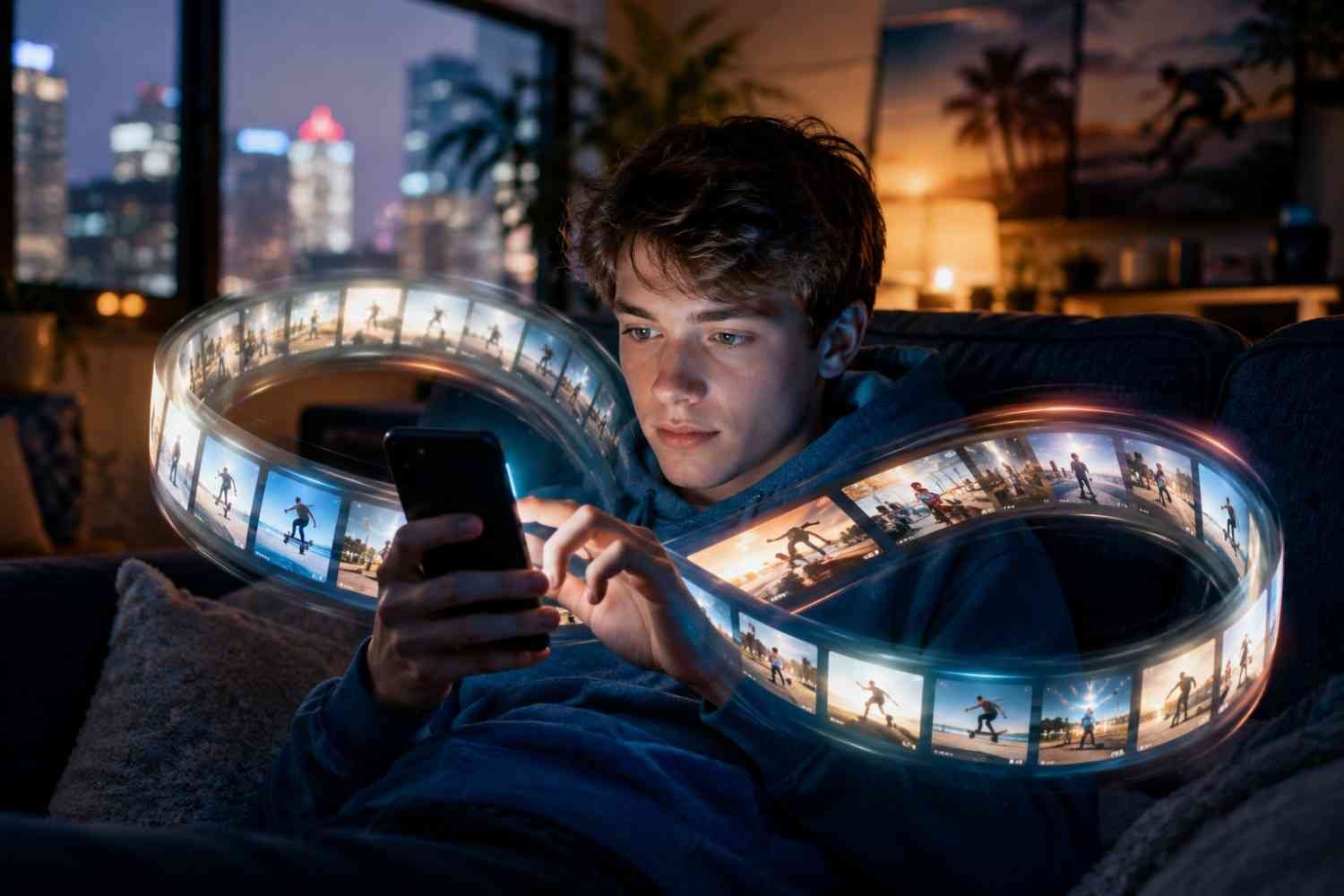
One editing trick many viewers never notice is looping.
Some creators intentionally film endings that connect smoothly back to the beginning of the video. When done properly, viewers accidentally watch the video twice before realizing it restarted.
This technique quietly boosts:
- average watch duration
- replay rates
- retention metrics
- algorithm performance
Seamless loops work especially well for:
- tutorials
- satisfying edits
- transformation videos
- cooking clips
- fitness content
The smoother the loop feels, the more addictive the viewing experience becomes.
Why Imperfect Editing Sometimes Performs Better
Interestingly, ultra-polished editing does not always win anymore.
Many audiences now respond better to content that feels slightly raw or authentic. Overproduced videos can sometimes feel too corporate or emotionally distant.
That’s why some influencers intentionally leave:
- tiny pauses
- casual reactions
- imperfect camera movement
- natural speech patterns
The content still follows strong retention principles, but it feels human instead of robotic.
That balance matters more now because viewers are becoming increasingly sensitive to content that feels manufactured purely for algorithms.
FAQs: Editing Tricks Influencers Use to Make Short Videos More Addictive
1. What editing app do most influencers use?
Many influencers use apps like CapCut, Adobe Premiere Pro, Final Cut Pro, and VN because they support fast-paced short-form editing workflows.
2. Why do short videos use so many jump cuts?
Jump cuts remove dead space and keep pacing fast, which helps maintain audience retention and reduces the chance of viewers scrolling away.
3. Do you need expensive equipment to edit like influencers?
No. Strong pacing, captions, hooks, and visual storytelling usually matter more than expensive cameras or advanced gear.
4. Why are captions important in short-form videos?
Captions improve accessibility, increase viewer engagement, and help users follow content even when watching without sound.
The Best Influencer Editing Tricks Usually Feel Invisible
The most effective editing rarely calls attention to itself. Good creators understand how to guide attention without making viewers consciously notice every cut, zoom, or sound effect. When the pacing feels smooth and the storytelling keeps moving, people simply stay longer.
That’s why addictive short-form content is really about psychology disguised as editing. The creators growing fastest are usually the ones who understand how attention works, not just how software works.