

A lot of creators spend months trying to grow their audience, only to realize that views alone do not automatically bring clients. You can have thousands of impressions and still receive almost no serious inquiries. That disconnect frustrates many freelancers because social media constantly pushes visibility as the main goal, while actual lead generation works very differently.
The creators who consistently attract clients usually focus less on chasing viral content and more on building trust through useful, conversion-focused content. They create posts, videos, and resources that solve immediate problems for a specific audience. That shift matters because people rarely hire creators simply because they are entertaining. They hire creators who feel knowledgeable, reliable, and easy to trust.
Why Most Creators Struggle With Lead Generation

One of the biggest mistakes small creators make is producing content designed only for engagement. High views may feel exciting, but lead generation content serves a different purpose entirely.
Content that converts usually focuses on:
- solving a specific pain point
- answering practical questions
- showing expertise clearly
- building authority over time
This is why educational content continues performing so well across platforms like LinkedIn, TikTok, YouTube Shorts, and Instagram Reels. People searching for solutions are already closer to taking action than passive viewers scrolling for entertainment.
Another issue is trying to sound overly corporate. Many freelancers suddenly become robotic when they start selling services online. Audiences respond better to creators who sound clear, direct, and human instead of overly polished marketing pages.
That also explains why many creators are now experimenting with a faceless content strategy focused on educational visuals, workflows, tutorials, and voiceovers instead of heavily personality-driven content.
Micro Lead Magnets Are Replacing Long Ebooks
One major shift happening in lead generation content is the move away from massive downloadable guides.
People want fast wins now. Long ebooks often get downloaded and ignored, while smaller, highly actionable resources convert much better because they solve immediate problems quickly.
Some of the strongest lead magnet ideas right now include:
- swipe files
- proposal templates
- pricing calculators
- onboarding checklists
- audit sheets
- mini email frameworks
- Canva templates
A freelance designer, for example, might create a “Client Discovery Call Checklist,” while a video editor could offer a “Short-Form Hook Template Pack.”
These smaller resources work well because they reduce friction. Users immediately understand the value instead of wondering whether a 60-page PDF is worth reading.
Interactive Content Builds Stronger Engagement

Interactive content continues growing because audiences now expect personalization instead of static information.
Quizzes, assessments, calculators, and audits generate leads effectively because they create involvement. Instead of passively consuming content, users actively participate.
Popular examples include:
- personal branding quizzes
- Freelance pricing calculators
- content audit forms
- engagement score assessments
- niche strategy checklists
This type of content also performs well because it naturally encourages email signups without feeling overly aggressive.
AI personalization tools are also becoming more important in creator marketing. Many platforms now allow creators to tailor recommendations, resources, or workflows based on user responses, making content feel more specific and relevant.
Proof-Based Content Converts Better Than Generic Advice
One thing many creators overlook is how much social proof impacts client decisions.
Potential clients want evidence that your work produces results. That does not always require huge numbers or celebrity partnerships. Even small case studies can build trust quickly when presented clearly.
Some of the strongest proof-based content ideas include:
- short case studies
- workflow breakdowns
- before-and-after examples
- client feedback videos
- project walkthroughs
- behind-the-scenes process videos
Simple “how I solved this problem” content often performs better than generic motivational posts because it demonstrates real-world expertise.
Short-form video works especially well here. A quick breakdown showing how you improved retention rates, increased conversions, or streamlined a client workflow can quietly position you as an expert without sounding overly promotional.
Educational Short-Form Videos Keep Generating Leads
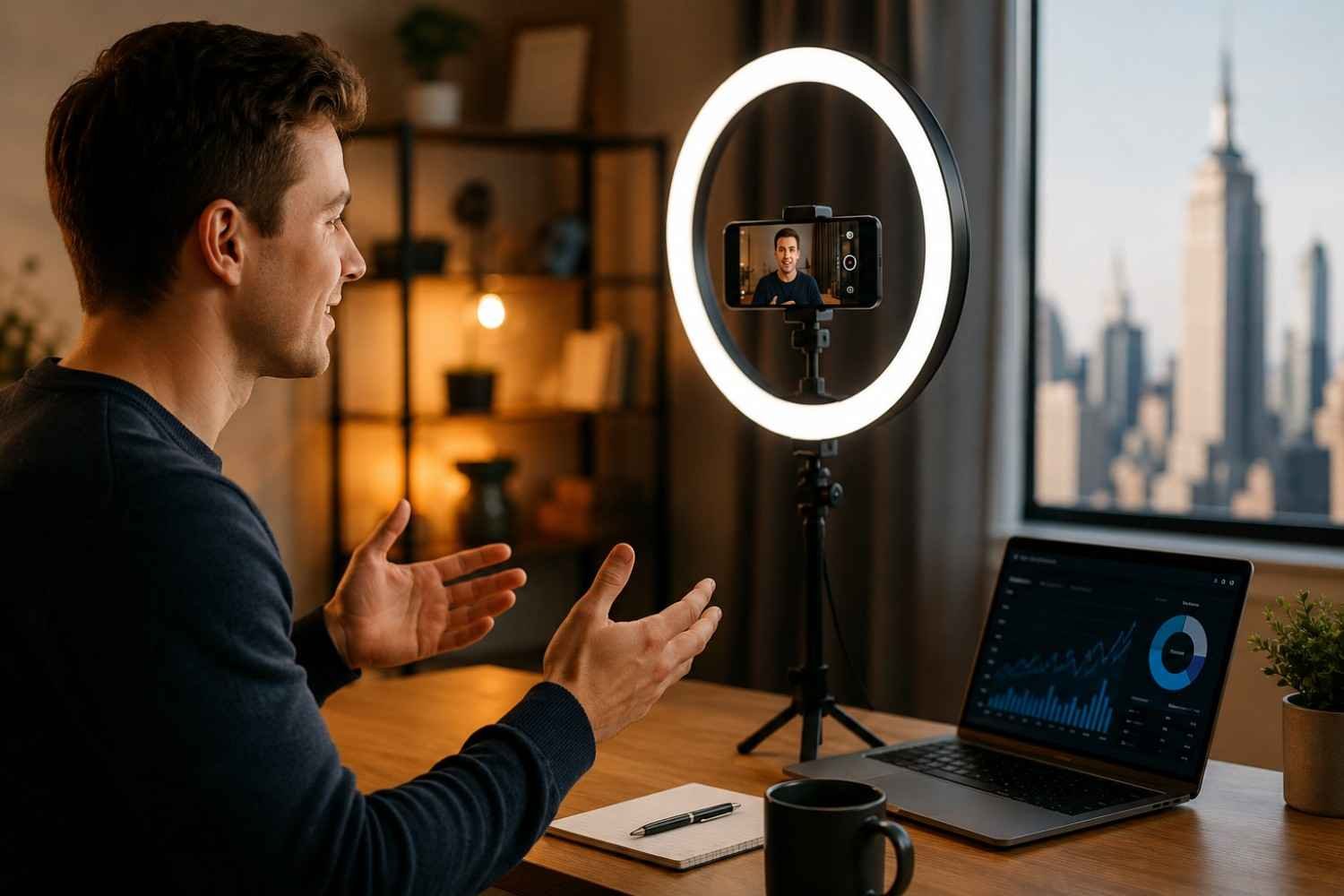
Short-form educational content continues dominating creator marketing because it combines visibility with authority-building.
Creators who teach specific skills tend to generate more qualified leads than creators posting broad lifestyle content.
Strong educational content usually focuses on:
- one specific tip
- One clear mistake
- One fast solution
- one process breakdown
For example:
- “How to improve watch time in 15 seconds.”
works better than: - “How to grow on social media.”
Specificity creates stronger audience trust because viewers immediately understand the value.
This style of content also works across multiple platforms, including:
- TikTok
- Instagram Reels
- YouTube Shorts
- Pinterest Idea Pins
Creators who consistently publish actionable short-form content often become discoverable through both algorithms and search traffic.
Community Positioning Quietly Generates Strong Leads
Many freelancers underestimate how valuable niche communities can become for lead generation.
Some of the best client relationships start through:
- LinkedIn discussions
- Slack communities
- Reddit threads
- Facebook groups
- niche newsletters
- creator collaborations
The important part is contributing useful information instead of immediately pitching services.
Creators who consistently answer questions thoughtfully tend to build authority naturally over time. Once trust forms, people often visit profiles, download resources, or inquire about services without needing aggressive sales tactics.
This type of inbound marketing usually feels more sustainable because the audience already sees the creator as knowledgeable before any direct selling happens.
Simplicity Usually Outperforms Overproduction

One of the most overlooked realities in content marketing is that highly polished content does not always convert better.
Some creators spend enormous amounts of time perfecting visuals while ignoring clarity and usefulness. Meanwhile, simpler content solving immediate problems often generates more leads because audiences value practical help over cinematic editing.
That is especially true for freelancers and service providers. Potential clients care more about whether you understand their problem than whether your content looks like a commercial production.
The creators generating strong leads consistently are usually the ones who stay clear, specific, and useful.
FAQs: Smart Lead Generation Content Creator Ideas for Small Creators and Freelancers
1. What type of content generates the most leads for creators?
Educational and proof-based content usually performs best because it builds trust while solving specific audience problems.
2. Do small creators need a large audience for lead generation?
No. Smaller creators often generate high-quality leads because niche audiences tend to trust creators with focused expertise more deeply.
3. Are lead magnets still effective in 2026?
Yes, but smaller and more actionable lead magnets now perform better than long ebooks. Templates, calculators, and checklists usually convert faster.
4. Which platform works best for creator lead generation?
It depends on the audience, but LinkedIn, Instagram Reels, YouTube Shorts, and TikTok continue performing strongly for educational creator content.
The Creators Who Solve Small Problems Usually Win
A lot of creators overcomplicate lead generation because they assume success requires massive visibility. In reality, most people searching for services simply want someone who understands their problem clearly and offers practical solutions.
That’s why smaller creators and freelancers often perform better than expected once they stop focusing entirely on numbers and start building content around trust, usefulness, and consistency. The creators quietly solving real problems every week are usually the ones attracting the strongest long-term opportunities.