

I stopped caring about “perfect” photos the moment I realized nobody remembers technically flawless images without emotion. The photographs people save, share, and revisit usually tell a story. That shift completely changed how I approached visual storytelling photography.
One image can communicate grief, intimacy, freedom, exhaustion, tension, or hope faster than paragraphs of text. The difference comes from intention. Great storytelling photographers do not simply document scenes. They guide emotion through framing, light, timing, and perspective.
The strongest narrative images feel almost cinematic. They make viewers pause because they sense a hidden story unfolding inside the frame.
What Makes Visual Storytelling Photography Different
A standard photo records a moment. A storytelling image explains why the moment matters.
That distinction changed my photography more than buying better gear ever did.
Strong narrative photography creates emotional movement. The viewer feels curiosity first, then tension, then understanding. Even a single frame can imply a complete beginning, middle, and end.
I started noticing this while studying documentary photographers and cinematic directors. Their images always contained layers:
- A clear emotional subject
- Environmental context
- Subtle tension
- Symbolic composition
- Real human emotion
The best stories often emerge from ordinary situations. A tired cashier staring through fluorescent lighting can feel more powerful than a staged mountain photoshoot.
Authenticity creates emotional gravity.
The 5 C’s Behind Every Powerful Photo Story
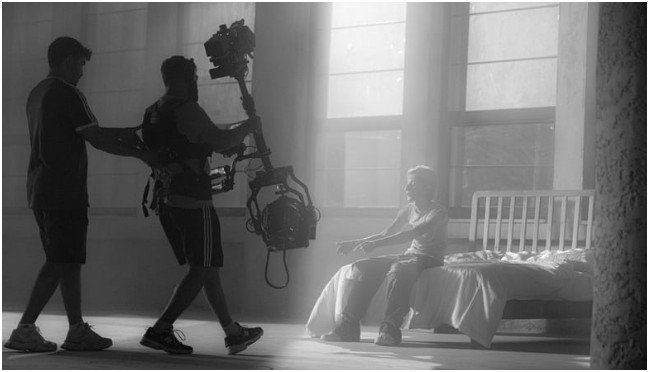
Most compelling narratives follow a hidden structure known as the 5 C’s.
Character
Every story needs someone or something viewers emotionally connect with. The character could be a person, an animal, or even an abandoned object.
When I photograph street scenes, I always search for emotional body language before anything else.
Context
Context explains where the story exists.
An exhausted chef inside a chaotic kitchen tells a completely different story than the same chef photographed against a plain wall. Background details matter because they anchor emotion in reality.
Conflict
Conflict creates tension and curiosity.
This does not always mean danger. Conflict can be loneliness, exhaustion, uncertainty, movement, isolation, or emotional contrast.
One of my favorite storytelling techniques involves placing a still subject inside motion blur from a moving crowd. The visual contrast immediately suggests emotional separation.
Climax
The climax captures peak emotional energy.
That could be laughter after stress, a dancer mid-air, a protester shouting, or the second before rain hits the pavement.
Timing matters more than perfection here.
Closure
Closure gives viewers emotional resolution.
Sometimes closure feels peaceful. Other times it leaves unanswered tension intentionally. Both approaches work when done with purpose.
How Camera Settings Shape Emotion
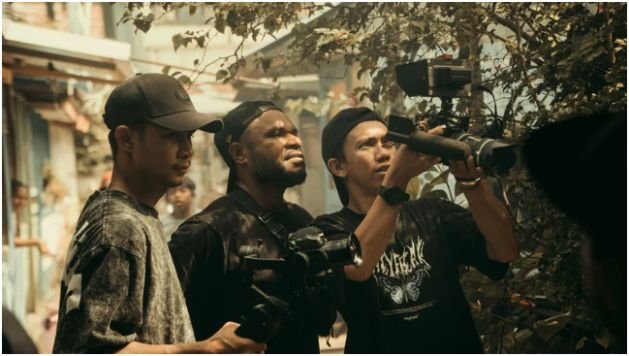
Most beginner photographers treat settings like technical requirements. Storytellers use them emotionally.
Aperture Controls Intimacy
Aperture determines how emotionally connected viewers feel to the subject.
| Aperture | Narrative Effect | Best Use |
| f/1.4 – f/2.8 | Intimate and emotional | Portraits and close-ups |
| f/5.6 – f/8 | Balanced storytelling | Environmental portraits |
| f/11 – f/22 | Expansive world-building | Establishing shots |
A shallow depth of field isolates emotion. Wide environmental focus explains the world around the subject.
I often use f/2 indoors because blurred backgrounds remove distractions and intensify facial expressions.
Shutter Speed Changes Energy
Fast shutter speeds freeze emotional peaks.
Slow shutter speeds create atmosphere, memory, and movement.
A frozen basketball player feels explosive. A blurred subway platform feels restless and cinematic.
One-second exposures became one of my favorite techniques for urban storytelling. The moving blur around a still subject instantly communicates emotional isolation.
ISO Can Add Mood
Most photographers fear grain. Storytellers sometimes embrace it.
Low ISO creates clean realism. High ISO introduces texture and tension, especially in low-light street photography.
Some of my strongest nighttime images would feel weaker if they looked overly polished.
Lens Choice Changes Psychology
Different focal lengths affect viewer perception.
- 35mm feels immersive and human
- 50mm feels natural and balanced
- Wide lenses exaggerate isolation
- Telephoto lenses feel distant and observational
I use 35mm most often because it places viewers inside the environment instead of separating them from it.
Composition Tricks That Quietly Control the Narrative
Composition influences emotion long before viewers consciously notice it.
Wide Frames Can Suggest Loneliness
Negative space creates emotional distance.
A tiny figure surrounded by empty landscape immediately feels isolated or overwhelmed.
Close-Ups Create Vulnerability
Tight framing removes distraction and forces emotional focus.
Eyes, hands, scars, wrinkles, and gestures often communicate more than entire scenes.
Leading Lines Create Direction
Lines naturally guide viewer attention through the frame.
Roads, hallways, fences, and shadows can subtly pull viewers toward tension or resolution.
Color Changes Emotional Tone
Warm tones feel nostalgic and intimate.
Cool tones feel detached, lonely, or tense.
I frequently lower saturation slightly during edits because muted color palettes often feel more cinematic and emotionally grounded.
Building a Photo Sequence That Feels Cinematic
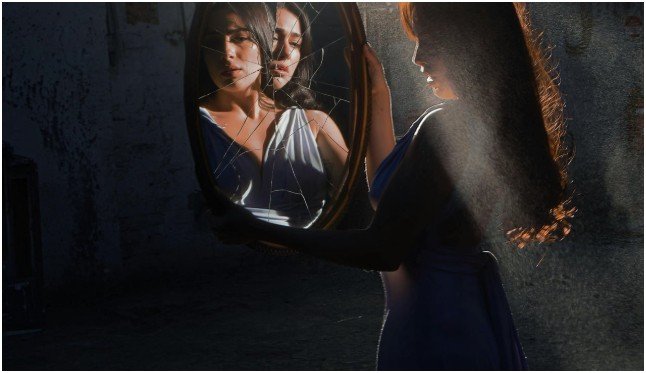
Single-image storytelling matters, but sequences create deeper narratives.
Professional photo essays usually follow a rhythm:
- Establishing image
- Character introduction
- Emotional detail
- Conflict or tension
- Resolution shot
Each image should introduce new information.
One mistake I made early was shooting multiple photos that repeated the same emotional beat. Strong sequencing moves the narrative forward like scenes in a film.
This is why I now storyboard shoots mentally before touching the camera.
That planning dramatically improved my visual storytelling photography because every image started serving a purpose.
Common Mistakes That Kill Emotional Impact
The biggest storytelling mistake is prioritizing aesthetics over meaning.
Beautiful lighting means nothing if the image feels emotionally empty.
Other common problems include:
- Over-editing skin and colors
- Staging fake emotion
- Cluttered backgrounds
- Weak subject separation
- No emotional focal point
- Shooting without narrative intent
I also see photographers rely too heavily on expensive gear. Storytelling depends more on observation than equipment.
Some of the most emotionally powerful images ever made were technically imperfect.
My Favorite Exercise for Improving Storytelling Fast

This exercise improved my photography faster than tutorials.
I choose one ordinary location, usually a coffee shop or train station, and create a five-image story sequence without moving far.
The challenge forces me to:
- Notice emotional details
- Search for conflict
- Vary perspectives
- Build narrative flow
- Think intentionally
After repeating this exercise weekly, my storytelling instincts became dramatically sharper.
It also improved my understanding of visual storytelling photography more than copying trendy cinematic presets ever did.
Frequently Asked Questions
1. What is visual storytelling photography?
Visual storytelling photography is the practice of using images to communicate emotion, narrative, or meaning instead of simply documenting a subject.
2. What camera settings work best for storytelling photography?
There is no universal setting. Wide apertures create intimacy, fast shutters freeze action, and slow shutters add atmosphere and movement depending on the story.
3. Which lens is best for narrative photography?
Many photographers prefer 35mm or 50mm lenses because they feel natural and immersive while maintaining strong emotional connection.
4. How do photographers create cinematic photos?
Cinematic photos often use controlled lighting, intentional color grading, emotional composition, wide aspect ratios, and layered storytelling elements.
5. Is storytelling more important than image quality?
Usually yes. Viewers emotionally remember authentic moments more than technically perfect images without meaning.
Your Camera Isn’t the Problem — Your Story Might Be
The turning point in my photography happened when I stopped asking, “Does this image look good?” and started asking, “Does this image make people feel something?”
That single question changes everything.
Better storytelling comes from observation, patience, empathy, and emotional awareness. Expensive gear helps, but emotional honesty matters far more.
The next time you shoot, focus less on perfection and more on meaning. One genuine moment will always outlive ten technically flawless but empty photographs.