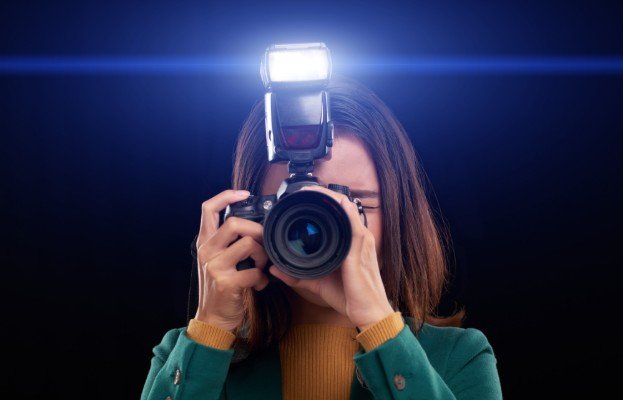
I used to think indoor event photography was all about buying a stronger flash. Then I learned the real secret: balance. When your flash, shutter speed, aperture, and ISO work together, indoor photos look clean, sharp, and natural instead of harsh or washed out.
This guide to camera flash settings for indoor events gives you a practical starting point for weddings, receptions, parties, corporate gatherings, speeches, and dance floors.
Why Indoor Event Flash Is Tricky
Indoor venues are unpredictable. One room may have warm chandeliers, another may have colored DJ lights, and another may have low ceilings with dark wood walls. That is why one perfect setting does not exist.
Your goal is not to blast the subject with flash. Your goal is to keep faces bright while still preserving the mood of the room. A good indoor flash photo should look like the event actually felt.
TTL vs Manual Flash
TTL is best when the action changes fast. It lets the flash measure the scene and adjust automatically. I prefer TTL for receptions, candid moments, kids’ parties, and corporate events where people move constantly.
Manual flash is better when the scene stays consistent. If you are shooting a step-and-repeat backdrop, group portraits, or a staged award photo, manual power gives more control. Start around 1/16 or 1/32 power and adjust from there.
Best Shutter Speed for Indoor Flash
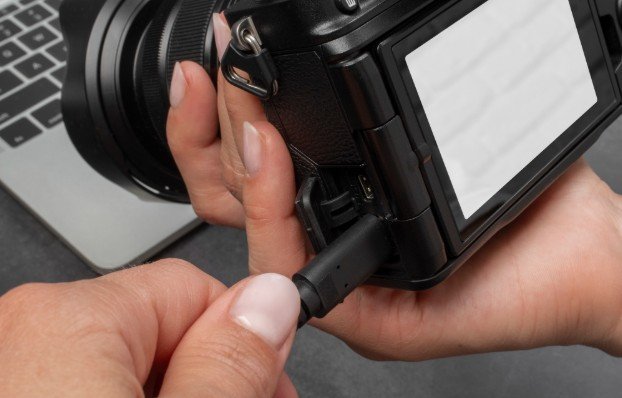
Shutter speed controls how much background light appears in your image. A faster shutter, like 1/200, freezes people and reduces ambient light. A slower shutter, like 1/60 or 1/30, brings more room light into the photo.
Best Aperture for Indoor Event Photos
Aperture affects depth of field and flash exposure. For candid portraits, f/2.8 works well because it lets in light and softens the background. For small groups, f/4 is safer. For larger group photos, f/5.6 helps keep more faces sharp.
Avoid shooting every indoor event wide open. A blurry background looks nice, but missed focus during important moments can ruin the shot.
Best ISO for Indoor Flash
Many beginners keep ISO too low because they fear noise. Indoors, that often makes the flash look too strong and the background too dark.
For natural results, ISO 800 to 3200 is common. A higher ISO lets the room light appear, so the flash does not have to work as hard. Modern cameras handle this range well, especially when the exposure is correct.
Bounce Flash Settings for Better Results
Bounce flash is one of the easiest ways to make indoor event photos look professional. Instead of pointing the flash directly at people, aim it at a white ceiling or nearby wall. The light spreads out and becomes softer.
If the ceiling is low and white, bounce upward. If the ceiling is too high, bounce off a side wall. If the wall is strongly colored, avoid bouncing there because it can add a color cast to skin tones. For many rooms, TTL with flash exposure compensation around -0.3 to -1 EV creates a softer look.
Rear Curtain Sync for Dance Floors
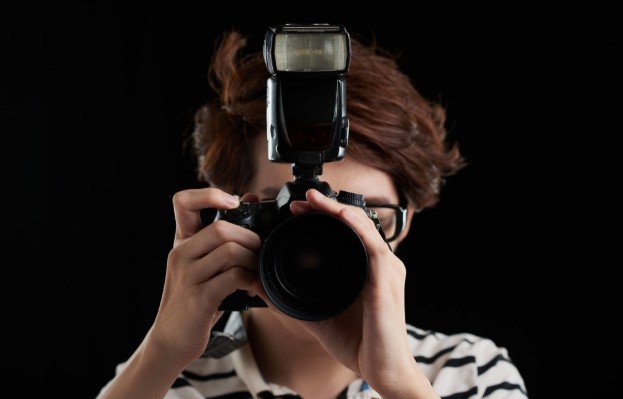
Dance floors need energy. A normal fast shutter can freeze people, but it may also remove the atmosphere. Rear curtain sync fires the flash at the end of the exposure, which keeps the subject sharp while allowing motion trails from lights and movement. Start with 1/15, f/4, ISO 1600, and low flash power. Then adjust based on how much motion you want.
Common Indoor Flash Mistakes
The biggest mistake is direct flash. It creates shiny skin, hard shadows, and flat faces. Another mistake is using ISO 100 indoors, which often makes the background look black.
Also avoid bouncing flash from red, green, or dark walls. Do not use one setting for the entire event. Speeches, dancing, group photos, and candid photography moments each need small changes.
Troubleshooting Indoor Flash Problems
Faces look too bright
Lower flash exposure compensation or reduce manual flash power.
Background is too dark
Raise ISO or slow down your shutter speed.
Photos look blurry
Use a faster shutter speed, improve focus mode, or avoid dragging the shutter too much.
Skin tones look strange
Check white balance and avoid bouncing flash from colored surfaces.
Frequently Asked Questions
1. What are the best Camera flash settings for indoor events?
Start with 1/160 shutter speed, f/2.8 to f/4 aperture, ISO 800 to 3200, TTL flash, and bounce the flash off a white ceiling or wall.
2. Should I use TTL or manual flash indoors?
Use TTL for fast-moving events and manual flash for controlled portraits or repeated shots in the same lighting.
3. Is direct flash bad for indoor events?
Direct flash is not always bad, but it often looks harsh. Bounce flash usually creates softer and more natural results.
4. What ISO should I use with flash indoors?
ISO 800 to 3200 works well for most indoor venues. It helps keep the background visible and reduces the harsh flash look.
Final Takeaways
When I shoot indoors, I no longer think of flash as a rescue tool. I treat it as a way to shape the light already in the room. Once you understand shutter speed, ISO, aperture, bounce direction, and flash strength, indoor event photography becomes much easier.
The best camera flash settings for indoor events are not fixed numbers. They are starting points. Test quickly, adjust for the room, and aim for photos that feel bright, natural, and full of atmosphere.