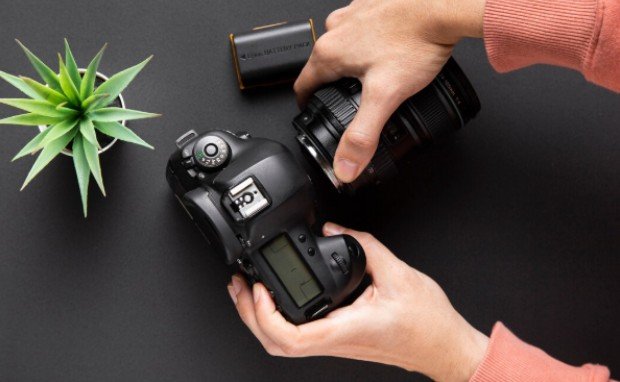
A few years ago, I stood in a camera store staring at two shelves for nearly an hour. One side was filled with bulky DSLR kits. The other showcased sleek mirrorless cameras with modern lenses and compact bodies. I kept asking myself one question: which setup actually makes more sense for a beginner?
Most articles only compare camera bodies. They rarely explain the complete gear experience, including lenses, batteries, bags, storage, travel weight, and upgrade costs. In real photography, those details matter just as much as image quality.
Understanding the Main Difference
DSLR cameras use a mirror system that reflects light into an optical viewfinder. When you press the shutter button, the mirror flips up and the image is captured by the sensor. Mirrorless cameras remove that mirror entirely.
Instead, the sensor constantly feeds a digital preview to the screen or electronic viewfinder. That design change affects almost everything else, including size, autofocus, battery life, video performance, and lens design.
Why Many Beginners Prefer Mirrorless Cameras
The live exposure preview helps beginners instantly see brightness changes before taking a photo. Autofocus tracking is usually faster for people, pets, and moving subjects. Many models also include advanced eye detection that keeps portraits sharp automatically.
Smaller body sizes also make travel photography easier. Carrying lightweight gear during vacations or long walks feels far more comfortable than hauling large camera bags all day.
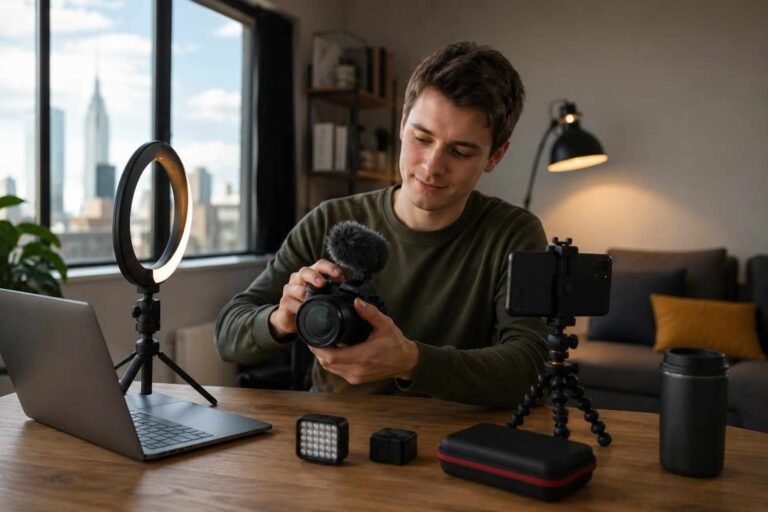
Video creators especially benefit from mirrorless technology. Features like silent shooting, 4K camera recording, real-time stabilization, and faster autofocus make content creation smoother for social platforms and YouTube projects.
Why DSLR Cameras Still Matter
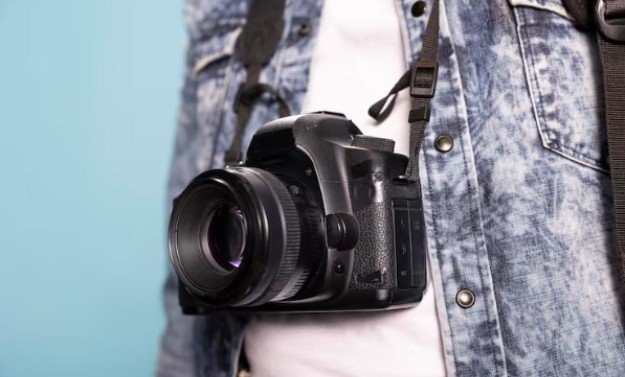
Battery life remains one of the biggest reasons photographers continue using them. Some DSLR cameras can shoot thousands of photos on a single charge, while many mirrorless models require multiple batteries during long sessions.
Optical viewfinders also feel more natural to certain photographers. Looking directly through glass instead of a digital screen creates a more immersive shooting experience.
Price is another major factor. Used DSLR equipment has become far more affordable, making it possible to build an impressive beginner setup without overspending. A solid DSLR body paired with two quality lenses can still outperform cheap entry-level kits in many real-world situations.
Lens Selection Changes Everything
Camera bodies come and go, but lenses shape your photography for years. Mirrorless systems continue expanding rapidly with newer lens technology. Many brands now prioritize mirrorless development, meaning future lens releases will mostly support those systems first.
However, DSLR lens collections remain enormous. You can often find affordable used portrait lenses, telephoto zooms, and wide-angle options at excellent prices. Before buying a camera body, I always recommend researching lens pricing first. A cheap camera can quickly become expensive once you start upgrading glass.
Best Gear Setup for Photography Beginners
Choosing the right starter setup depends heavily on your goals.
Beginner Travel Photography Setup
For travel photography, compact mirrorless gear usually makes the most sense. Lightweight bodies combined with versatile zoom lenses reduce fatigue and fit more easily into backpacks. Smaller setups also attract less attention in crowded areas.
Beginner Portrait Photography Setup
Portrait photographers can succeed with either system. A DSLR paired with an affordable 50mm lens still produces beautiful background blur and sharp facial detail. Mirrorless systems offer better eye autofocus, but portrait quality often depends more on lighting and lens choice than the camera body itself.
Beginner Video Content Setup
Video creators should lean toward mirrorless cameras because autofocus technology, stabilization, and compact rigs work better for handheld filming. Flip screens and silent recording also simplify content creation.
Cost Comparison Beyond the Camera Body
One of the biggest mistakes beginners make is ignoring accessory costs. Memory cards, batteries, camera bags, tripods, microphones, and editing software quickly increase the total investment. Mirrorless systems often require extra batteries because electronic viewfinders consume more power.
DSLR gear may look larger, but many accessories remain cheaper due to the huge secondhand market. When comparing systems, always calculate the full setup price instead of focusing only on the body.
Common Buying Mistakes Beginners Make
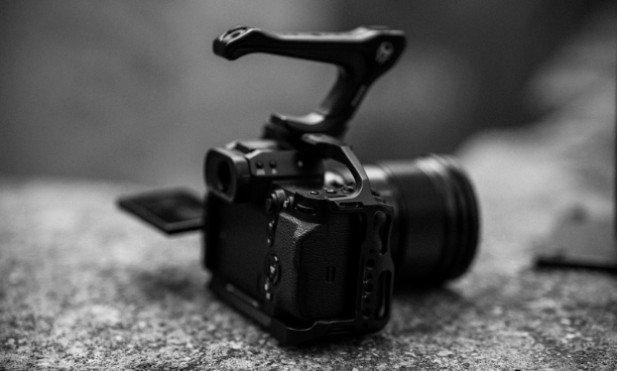
Another common mistake is chasing technical specifications instead of shooting comfort. If a camera feels too heavy or complicated, you may stop using it regularly. The best camera is often the one you actually enjoy carrying every day.
Which System Is More Future-Proof?
Most camera companies are investing heavily into mirrorless development. That trend will likely continue for years. New autofocus systems, AI-assisted subject tracking, and advanced video tools are appearing primarily in mirrorless lineups.
Still, DSLR cameras remain highly capable. Photography fundamentals do not become outdated simply because newer technology exists. For beginners focused on value, DSLR systems still provide incredible learning opportunities at lower prices. For long-term expansion and newer features, mirrorless gear holds a stronger future advantage.
Frequently Asked Questions
1. Is DSLR vs Mirrorless Camera Gear better for beginners?
Mirrorless systems usually feel easier for beginners because of live previews and advanced autofocus. However, DSLR kits often deliver better value for budget-conscious photographers.
2. Do professional photographers still use DSLR cameras?
Yes. Many professionals continue using DSLR cameras for sports, wildlife, weddings, and studio work because of reliability and battery performance.
3. Are mirrorless cameras better for video?
In most situations, yes. Mirrorless systems typically offer stronger autofocus, stabilization, and compact designs for video creation.
4. Should I buy used camera gear?
Used equipment can save significant money if purchased from trusted sellers. Many DSLR lenses and bodies still perform extremely well.
Final Thoughts
After testing different setups over the years, I realized there is no perfect answer for everyone. The smarter choice depends on how you shoot, what you create, and how much gear you truly want to carry.
For portability, modern autofocus, and video flexibility, mirrorless systems feel incredibly exciting. For affordability, reliability, and long battery life, DSLR cameras still deserve serious respect.
The important thing is starting with gear that encourages you to practice consistently instead of endlessly researching specifications online. Once you begin shooting regularly, your creative style will naturally guide your future upgrades far better than any comparison chart ever could.