I used to think commercial photography succeeded because of expensive cameras and flawless editing. Then I watched a low-budget skincare video outperform a polished studio campaign by almost ten times on social media. The difference was not gear. It was emotion, movement, and visual curiosity.
That changed how I approach commercial photography ideas completely.
The strongest commercial campaigns today are built around scroll-stopping psychology. They create texture people can almost feel, lighting that feels cinematic, and compositions that communicate luxury without saying a word. Viral content now depends less on perfection and more on creating visual tension that keeps viewers watching.
Why Most Commercial Photography Fails Online
A huge amount of branded content looks technically correct but emotionally empty. Perfect white backgrounds and centered products may work for online stores, but they rarely create engagement on Instagram, TikTok, or Pinterest.
Social platforms reward visuals that interrupt scrolling instantly. That interruption usually happens through dramatic texture, movement, unusual composition, or lighting that feels cinematic.
Luxury brands understand this extremely well. They leave space in the frame, simplify styling, and allow shadows, reflections, and materials to become part of the storytelling.
The result feels aspirational instead of promotional.
The Visual Hooks That Make Content Go Viral
The first frame matters more than the caption. If the image does not stop someone within a second, the content disappears into the feed.
One of the most effective techniques I use is macro texture photography. Thick cream swirls, glossy lipstick smears, or serum droplets create an ASMR-like effect that keeps people staring longer than expected. These visuals feel tactile, which increases engagement naturally.
Motion creates another powerful hook. A still bottle often feels lifeless, but a frozen mist spray or liquid pour instantly adds energy. Some of my best-performing commercial images came from photographing imperfect movement rather than static setups. Tiny splashes and irregular motion patterns feel authentic, which makes the product feel more premium.
Ingredient storytelling also performs surprisingly well. If a product contains citrus extracts, placing fresh oranges or lemons near the frame creates an immediate visual association. Herbal ingredients paired with clean beige or stone backgrounds communicate freshness and luxury without relying on text overlays.
That combination of texture, movement, and symbolic styling creates emotional reactions much faster than direct advertising language.
Shoot for Beauty Products Like a Luxury Brand
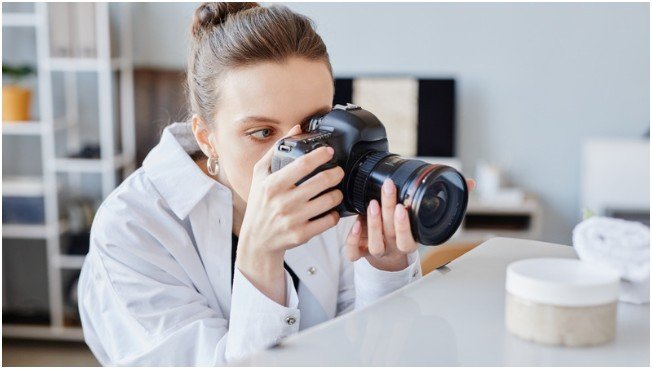
Beauty photography dominates commercial social media because it naturally combines texture, lighting, and aspiration.
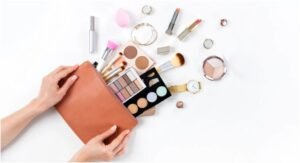
When I shoot for beauty products, I rarely begin with packaging alone. Customers want to understand how a product feels before they buy it. That is why swatches and texture smears outperform many standard product shots.
Using a palette knife instead of fingers creates cleaner, sculpted swatches that look more editorial. Side lighting then emphasizes the texture depth, helping creams and glosses appear richer on screen.
Reflections also play a massive role in premium beauty photography. Black acrylic sheets, mirrors, and glossy marble surfaces instantly elevate even simple packaging. The reflected product creates visual depth while maintaining a minimalist composition.
Hands are another underrated element. A hand gently holding a serum bottle or twisting open a cap creates intimacy that a floating isolated product often cannot achieve. These subtle human details help viewers imagine the product inside their own routines.
The strongest beauty campaigns feel less like ads and more like moments.
Minimalist Commercial Photography Ideas for Luxury Products
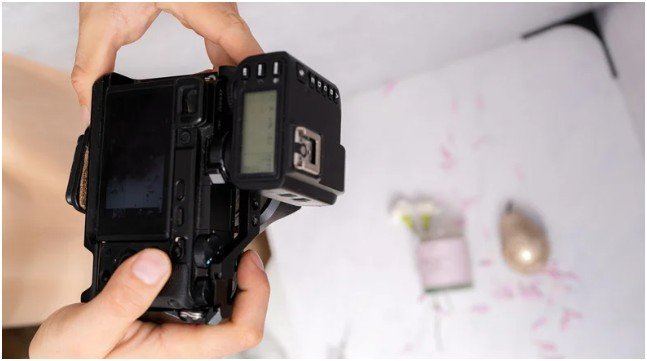
Luxury photography has moved toward restraint instead of excess. Minimalism now signals confidence and exclusivity.
One technique I constantly return to is the “negative space hero” composition. Instead of filling every part of the frame, I intentionally leave large empty areas around the product. That breathing room creates a quiet luxury aesthetic that feels far more premium than crowded styling.
Matte backgrounds work especially well for this. Soft stone grey, warm beige, or muted monochrome surfaces help the product become the visual focal point without distraction.
Hard shadows create another luxury effect that many photographers overlook. Soft lighting feels approachable, but hard directional light feels architectural and expensive. Sharp shadows combined with marble blocks, glass spheres, or concrete textures create an editorial look often seen in luxury fragrance campaigns.
I also use tone-on-tone setups frequently. A gold watch photographed against metallic gold surfaces or a white skincare jar placed on white marble creates a sculptural effect. Instead of relying on color contrast, the product becomes defined through shadows, highlights, and texture.
This style performs incredibly well because it feels intentional and sophisticated without appearing overproduced.
Behind-the-Scenes Content Often Performs Better
One of the strangest things I discovered while testing commercial campaigns is that audiences love seeing the imperfections behind the final image.
Highly polished ads still matter, but behind-the-scenes content often creates stronger engagement because it feels authentic.
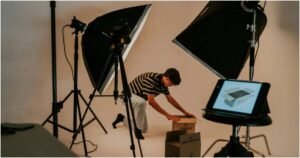
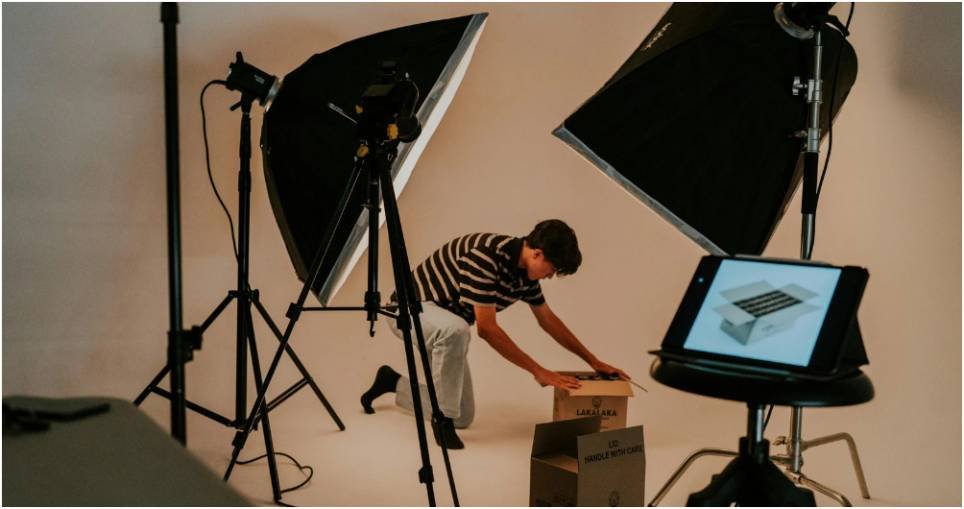
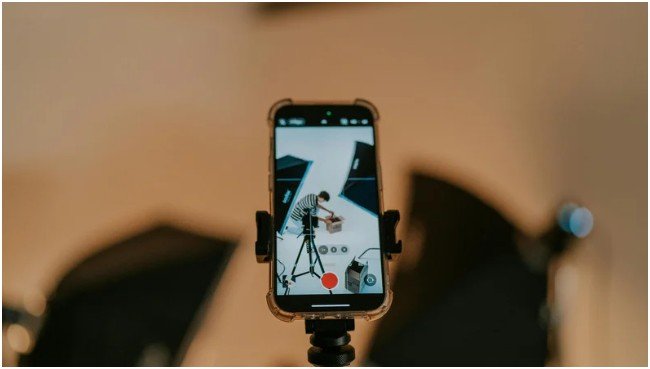
People enjoy seeing tape holding props together, fishing line suspending floating products, or simple DIY lighting setups transforming into cinematic visuals. Lighting reveal videos perform especially well because viewers experience the transformation directly.
I once posted a luxury skincare setup that received moderate engagement. The next day, I posted the messy behind-the-scenes version showing foam boards, clamps, and improvised reflections. The BTS version dramatically outperformed the polished final image.
That reaction says a lot about current social media behavior.
Audiences want transparency now. They enjoy watching creativity happen in real time.
The Lighting Setup I Use Most Often
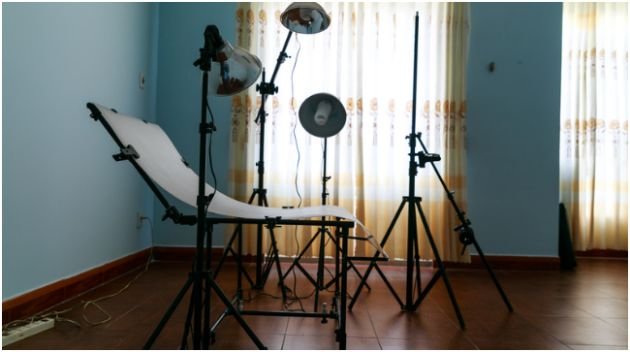
Lighting changes the emotional tone of commercial photography more than camera choice ever will.
For luxury beauty campaigns, I usually rely on side lighting because it emphasizes texture and shadow depth beautifully. Hard light works especially well for perfume bottles, watches, and glossy skincare packaging because it creates dramatic contrast.
For organic beauty brands, softer window light often performs better. Natural light paired with white foam boards creates a clean, believable aesthetic that aligns with the “authentic beauty” trend dominating social platforms.
Backlighting also works brilliantly for floating product shots. Rim lighting around suspended bottles or cosmetics creates separation and adds a weightless premium feel.
Even simple setups can look expensive when the shadows are controlled carefully.
Editing Styles That Increase Engagement
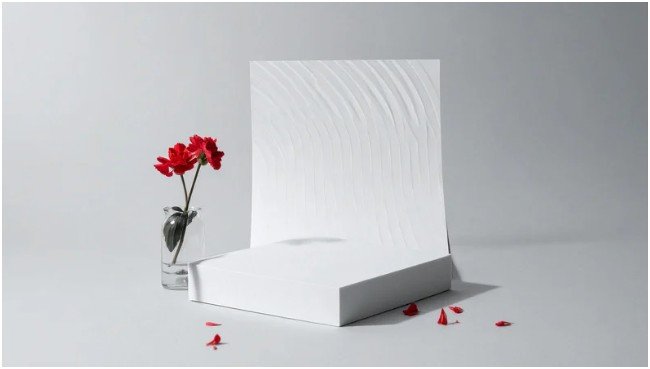
Overedited commercial photography is slowly losing effectiveness. Audiences now respond more strongly to images that feel textured and slightly imperfect.
Muted color grading, subtle grain, soft contrast, and analog-inspired tones currently dominate premium commercial campaigns. These edits create emotion without making products look artificial.
I usually avoid extreme sharpening because it removes realism from beauty products. Natural texture often converts better because viewers trust it more.
Some of my favorite campaigns combine luxury lighting with subtle cinematic photography editing techniques to create richer depth and atmosphere. That cinematic feel helps branded content stand apart from generic social ads instantly.
Mistakes That Make Commercial Photography Look Cheap
The biggest mistake I see constantly is overstyling.
Too many props weaken product focus and reduce visual clarity. Luxury photography works because every object inside the frame feels intentional.
Flat lighting is another major issue. Without controlled shadows, products lose dimension and emotional impact.
Heavy retouching also hurts engagement now. Consumers respond better to authenticity, especially in beauty and skincare marketing. Real texture consistently outperforms overly airbrushed visuals.
Many photographers also center every product automatically. Slightly off-center compositions often feel more editorial and visually dynamic.
Small adjustments like these completely change how premium a campaign feels.
Quick Reference Table
| Technique | Best Use | Visual Result |
| Macro texture shots | Beauty and skincare | Tactile, satisfying visuals |
| Hard shadow lighting | Luxury products | Editorial, premium mood |
| Negative space | Minimalist campaigns | Quiet luxury aesthetic |
| Reflective surfaces | Perfume and cosmetics | Added depth and elegance |
| Floating products | Tech and beauty | Weightless premium feel |
| Natural ingredient props | Organic brands | Strong storytelling |
FAQ
1. What makes commercial photography content go viral?
Strong texture, movement, emotional composition, and authentic storytelling usually create the highest engagement online.
2. Why do minimalist commercial photos feel more luxurious?
Minimalism removes distractions and increases focus on craftsmanship, texture, shape, and lighting.
3. What lighting works best for beauty product photography?
Side lighting works best for emphasizing texture, while softer natural light creates a clean and organic beauty aesthetic.
4. Do expensive cameras matter for viral commercial photography?
Not nearly as much as composition and lighting. Strong visual concepts outperform expensive gear consistently.
5. Why are macro shots effective in commercial photography ideas?
Macro shots create tactile visuals that hold attention longer and help viewers emotionally connect with products.
Your Product Is Competing Against Attention Spans
Most people will decide within seconds whether your content deserves attention. That means every shadow, texture, reflection, and movement inside the frame matters.
The strongest commercial campaigns today feel cinematic, tactile, and emotionally intentional. They create curiosity before they try to sell anything.
Before your next shoot, remove half the props, simplify the composition, and focus on creating one image that feels impossible to scroll past.