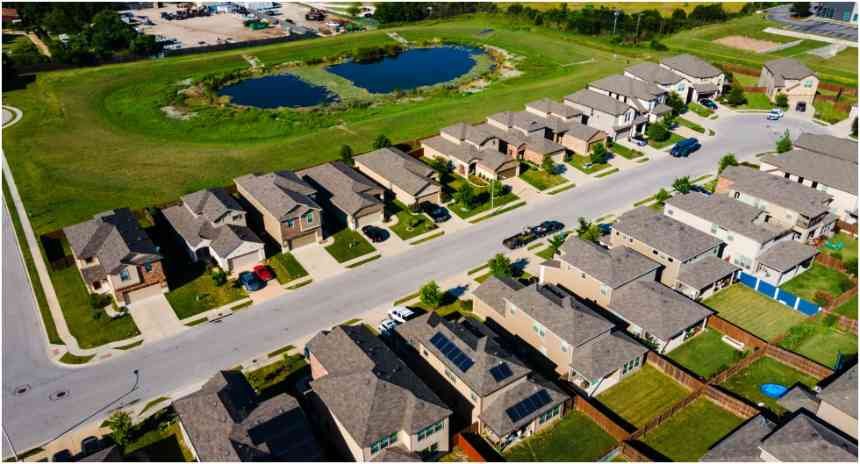
I still remember the first time I used a drone over a luxury listing near the water. The ground photos looked decent, but the aerial footage completely changed the story. Suddenly, buyers could see the dock access, backyard depth, nearby parks, and how the property sat within the neighborhood. That single drone sequence generated more inquiries than the rest of the gallery combined.
That’s why real estate drone photography has become one of the most valuable tools in modern property marketing. Buyers no longer want flat listing photos alone. They expect cinematic visuals, accurate property context, and immersive media before scheduling a tour.
The biggest mistake I see? Many photographers focus only on flying skills while ignoring strategy, FAA rules, editing quality, and buyer psychology. Strong aerial content is not just about pretty footage. It’s about making buyers emotionally understand the property before they arrive.
Why Drone Photography Matters in Real Estate
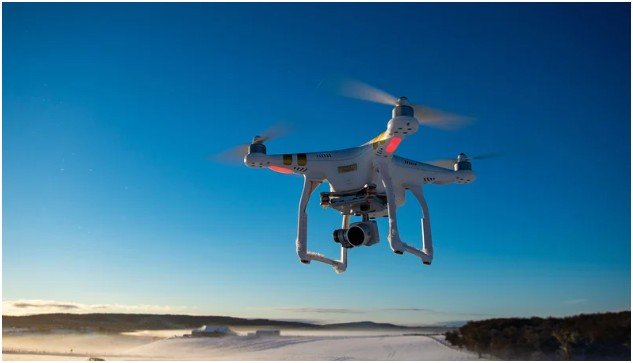
Ground-level photography cannot fully communicate lot size, elevation, neighborhood layout, or proximity to landmarks. Aerial visuals solve that instantly.
Properties with professional aerial imagery consistently attract stronger engagement online. In my experience, luxury listings especially benefit because buyers want context before scheduling private showings.
Drone visuals work best for:
- Waterfront homes
- Acreage properties
- Mountain homes
- Golf course communities
- Commercial buildings
- Ranches and farms
- New developments
A strong pullback reveal shot can transform an average listing into a cinematic presentation within seconds.
I also noticed that agents now prioritize short-form vertical video because social platforms heavily reward motion content. Many listings gain traction faster through drone reels than static image galleries.
FAA Rules Every Drone Pilot Must Know
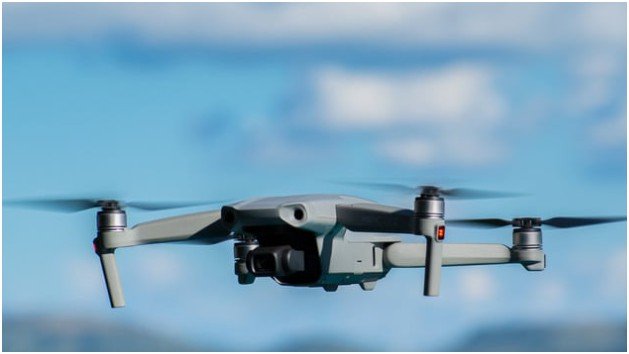
The FAA has tightened drone regulations significantly heading into 2026. Ignoring these rules can lead to fines or restricted operations.
Commercial Drone Photography Requires Part 107
If you earn money through aerial property media, you must hold a Part 107 Remote Pilot Certificate.
That includes:
- Real estate photography
- Social media marketing footage
- Commercial property shoots
- Promotional aerial videos
Recreational drone licenses are not enough for paid work.
Registration and Remote ID Rules
Most drones above 250 grams require FAA registration through DroneZone.
Remote ID broadcasting is now mandatory for nearly all unrestricted commercial operations. Your drone must transmit identification and location data during flight.
Operational Flight Limits
The standard operational rules include:
- Maximum altitude of 400 feet
- Maintain visual line of sight
- Avoid restricted airspace
- Respect local city drone ordinances
New York City remains one of the most difficult places to fly legally due to local restrictions.
For official guidance, I always verify rules directly through the Federal Aviation Administration before every commercial shoot.
Best Drones for Real Estate Work
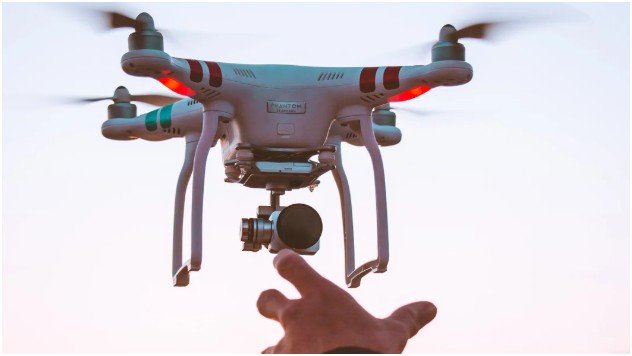
Choosing the wrong drone creates editing headaches later. Stable flight performance matters more than flashy marketing specs.
Here’s a quick reference table based on current 2026 performance trends:
| Drone | Best For | Approx Price | Key Strength |
| DJI Mini 4K Drone Fly More Combo | Beginners | $450–$650 | Lightweight and stable |
| DJI Air 3 | Professional agents | $1,000+ | Dual focal lengths |
| DJI Mavic 3 Pro | Luxury listings | $2,000+ | Exceptional image quality |
| CZ25 MAX Dual-Camera Drone | Budget users | Under $100 | Entry-level practice |
The DJI ecosystem still dominates the American real estate market because of reliability, obstacle sensing, and strong low-light stabilization.
For beginners, I honestly think smaller drones teach composition faster because they force cleaner movements and better framing discipline.
Drone Shot Techniques That Increase Buyer Interest
A great drone pilot does not randomly fly around the property. Every movement should support buyer psychology.
The Pullback Reveal
This remains my favorite technique.
Start tight on the front elevation, then slowly fly upward and backward. Buyers immediately understand the home’s surroundings and scale.
This shot works exceptionally well near lakes, golf courses, or mountain communities.
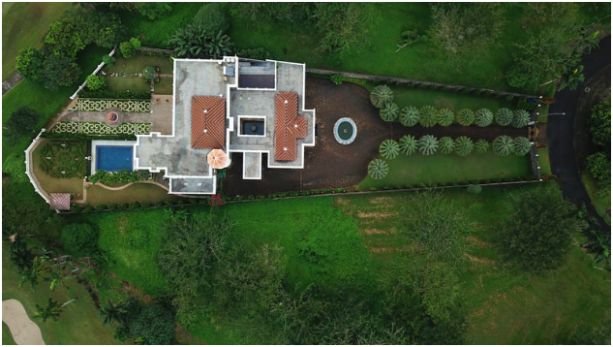
Bird’s Eye Property Layout
Top-down imagery clarifies:
- Lot boundaries
- Pool placement
- Driveway access
- Backyard dimensions
- Detached structures
These shots often answer buyer questions before agents receive calls.
Orbital Cinematic Motion
An orbital shot creates premium visual energy around luxury listings. Smooth circular movement gives buyers a near-360-degree understanding of the exterior.
Fast orbit speeds ruin professionalism. Slow cinematic movement always performs better.
Vertical Video Reels
Short-form vertical content dominates social media now.
Most high-performing real estate reels stay under 45 seconds and rely heavily on aerial transitions.
This is where strong editing and even simple mobile photography hacks can help agents create supplemental social content between professional shoots.
Real Estate Media Trends Changing the Industry
The entire real estate media industry has shifted toward immersive experiences.
3D Tours Are Becoming Standard
Platforms like Matterport and CubiCasa allow buyers to navigate homes remotely before visiting.
Drone footage now acts as the cinematic introduction before virtual walkthroughs begin.
AI Editing Is Accelerating Delivery
Companies like Virtuance use AI-enhanced processing systems to accelerate HDR correction and color balancing.
However, overprocessed imagery still damages trust.
The strongest listing media today feels polished but believable.
Authenticity Is Replacing Overediting
One surprising 2026 trend is transparency marketing.
Buyers increasingly distrust unrealistic sky replacements, fake sunsets, and exaggerated saturation. Clean realism now outperforms extreme edits in many luxury markets.
Editing Techniques That Make Drone Photos Look Premium
Flying is only half the job.
Post-production determines whether aerial footage feels cinematic or amateur.
HDR Balancing
HDR blending helps preserve:
- Window details
- Bright skies
- Shadow texture
- Roof definition
Balanced highlights create a cleaner premium look.
Perspective Corrections
Crooked horizon lines instantly weaken listing quality.
I always straighten horizons before exporting because buyers subconsciously associate tilted frames with poor professionalism.
Color Temperature Consistency
Mixed lighting creates visual confusion.
Drone footage should match the overall warmth and color tone of interior photography packages.
Motion Speed Adjustments
Most drone footage looks better slowed slightly during editing. Fast movement feels chaotic on real estate listings.
Common Drone Photography Mistakes
The biggest problem I see is overcomplicated flying.
Pilots often:
- Fly too fast
- Overuse dramatic spins
- Ignore lighting direction
- Shoot at midday harsh sunlight
- Overedit skies
- Forget FAA airspace checks
Another mistake is relying entirely on drone footage without supporting property storytelling.
Drone visuals should complement the full media package, not replace professional interior photography.
My Tested Workflow for Faster Listings
After testing dozens of listing workflows, this structure consistently delivers faster edits and cleaner results:
First, I scout the property on satellite maps before arrival. This helps identify sun direction and neighborhood highlights.
Then I capture standard exterior photography before launching the drone. Wind conditions often change later in the session.
I usually shoot:
- Pullback reveal
- Front elevation orbit
- Top-down property map shot
- Backyard reveal
- Neighborhood proximity clips
After that, I edit aerials alongside HDR interiors so the entire gallery feels visually consistent.
That consistency matters more than flashy effects.
FAQs
1. Is real estate drone photography worth it?
Yes. Aerial imagery improves listing engagement, especially for luxury homes, large lots, and waterfront properties.
2. Do I need a license for real estate drone photography?
Yes. In the United States, commercial drone work requires a Part 107 Remote Pilot Certificate from the FAA.
3. What is the best drone for beginners in real estate?
The DJI Mini 4K Drone Fly More Combo is one of the best beginner-friendly options because it combines portability, stability, and strong video quality.
4. How much should drone photography cost for real estate?
Standalone aerial shoots typically range from $250 to $400, while complete real estate media packages can exceed $1,000.
5. What time of day is best for drone photography?
Golden hour usually produces the best lighting because shadows soften and properties appear warmer and more dimensional.
Final Shot Before You Pack the Drone
Most buyers form emotional opinions about a property within seconds. Aerial visuals accelerate that reaction faster than almost any other media format.
The difference between average and high-performing drone content usually comes down to intentional movement, realistic editing, and understanding buyer psychology.
I’ve learned that the best aerial footage does not scream for attention. It quietly helps buyers imagine living there.
That’s what actually sells homes.