
Content starts falling apart the moment different people begin editing without a shared system. One designer changes colors slightly. A writer shifts the tone. A video editor adds transitions that do not match previous campaigns. Individually, those changes feel small. Collectively, they weaken brand recognition over time.
Most teams do not notice the problem immediately because content still gets published. The issue shows up later when audiences stop recognizing a clear identity across platforms. A brand-focused editing workflow fixes that by creating structure around how content is reviewed, edited, approved, and finalized before it reaches the public.
Why Consistency Often Breaks During The Editing Process

A lot of brands invest heavily in content creation but overlook the editing stage. That is usually where inconsistency starts. Different freelancers, internal teams, agencies, and creators often work with their own habits instead of following one unified system.
Without a standardized editing process, teams end up dealing with:
- mismatched visual styles
- inconsistent tone of voice
- outdated logos or graphics
- uneven video pacing
- duplicated revisions
- publishing delays
This becomes even harder when brands publish daily content across social media, blogs, newsletters, podcasts, and short-form video platforms.
That is why many growing teams are now building stricter content editing workflows instead of relying on loose creative direction.
A Brand Focused Editing Workflow Creates Guardrails
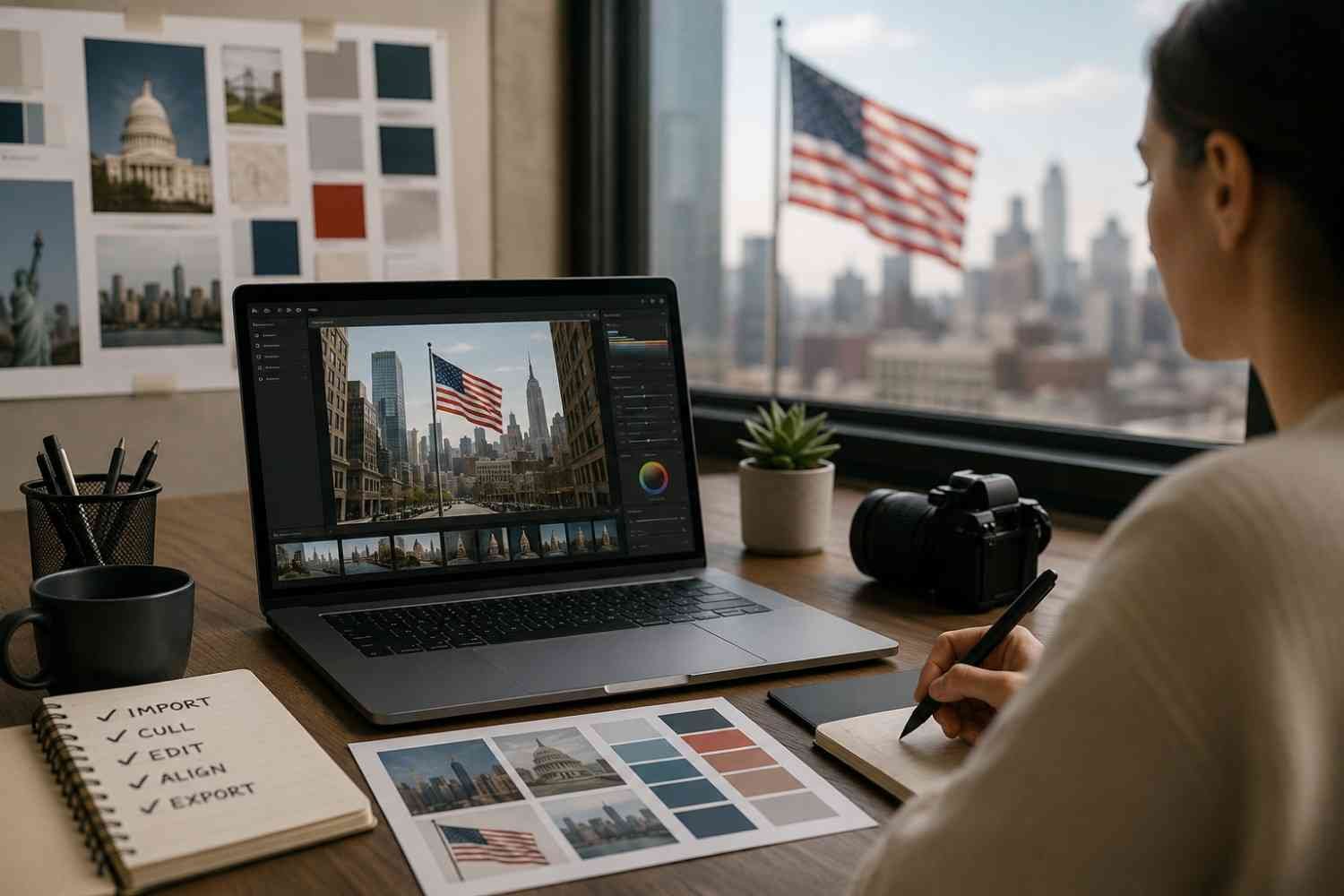
The strongest workflows do not remove creativity. They create boundaries that protect the identity of the brand while still allowing creators to work naturally.
Instead of subjective editing decisions, teams follow predefined standards for visuals, structure, formatting, and messaging. That removes confusion from the production process.
A proper branded content workflow usually includes:
- editorial style guidelines
- approved asset libraries
- formatting standards
- review checkpoints
- publishing approvals
- collaboration systems
The goal is simple. Every published asset should feel connected, even if multiple people worked on it.
Tone Of Voice Becomes Easier To Maintain
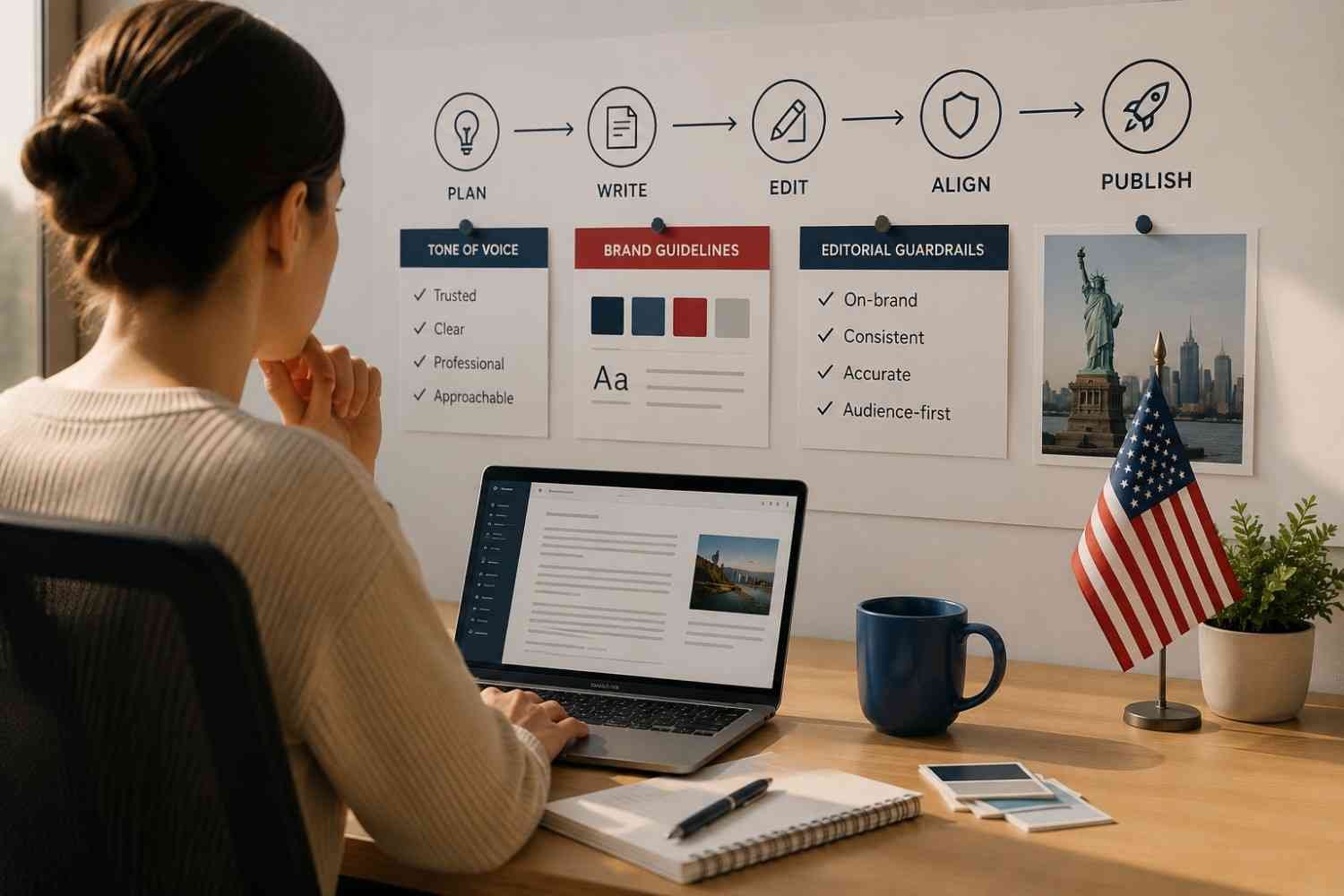
One of the biggest advantages of a structured editing process is tone consistency. Readers notice when a company sounds educational one day, casual the next, and overly corporate after that.
Strong editing systems prevent those shifts.
Style Rules Reduce Subjective Editing
Experienced editors usually work from a documented style guide that defines:
- preferred vocabulary
- grammar preferences
- sentence structure
- formatting habits
- brand personality
This creates alignment between writers, editors, and marketers. Instead of debating every sentence, teams edit against clear standards.
Multiple Writers Can Still Sound Unified
Modern content teams rarely rely on one writer anymore. Brands now work with contractors, agencies, internal marketers, and AI-assisted workflows at the same time.
A structured editorial workflow helps maintain one recognizable voice across all contributors. That consistency becomes critical when audiences interact with a brand across several platforms in the same week.
Editing Systems Help Protect Brand Positioning
Tone affects trust more than many teams realize. Consistent messaging reinforces authority and familiarity. Inconsistent messaging creates confusion.
This is one reason many creators now combine workflow systems with the best creator apps in 2026 to manage scripts, edits, approvals, and publishing pipelines more efficiently across platforms.
Editing Standards Create Recognizable Content

The strongest brands usually follow repeatable editing patterns. Their videos have a familiar pacing. Their graphics use consistent spacing. Their thumbnails follow recognizable layouts.
These systems often include:
- identical font pairings
- consistent color grading
- approved transitions
- fixed overlay styles
- framing guidelines
- thumbnail structures
Over time, audiences begin associating those visual patterns with the brand itself.
Centralized Asset Libraries Prevent Mistakes
One common issue in fast-moving content teams is outdated assets. Old logos, incorrect fonts, or expired graphics often get reused accidentally.
Digital asset management systems solve this by centralizing approved files in one place. Editors no longer search through old folders or random cloud drives looking for assets.
Instead, they pull directly from verified brand libraries that contain:
- approved logos
- graphics
- templates
- intros and outros
- motion assets
- licensed media
That reduces editing errors while speeding up production.
Quality Checkpoints Stop Problems Before Publishing
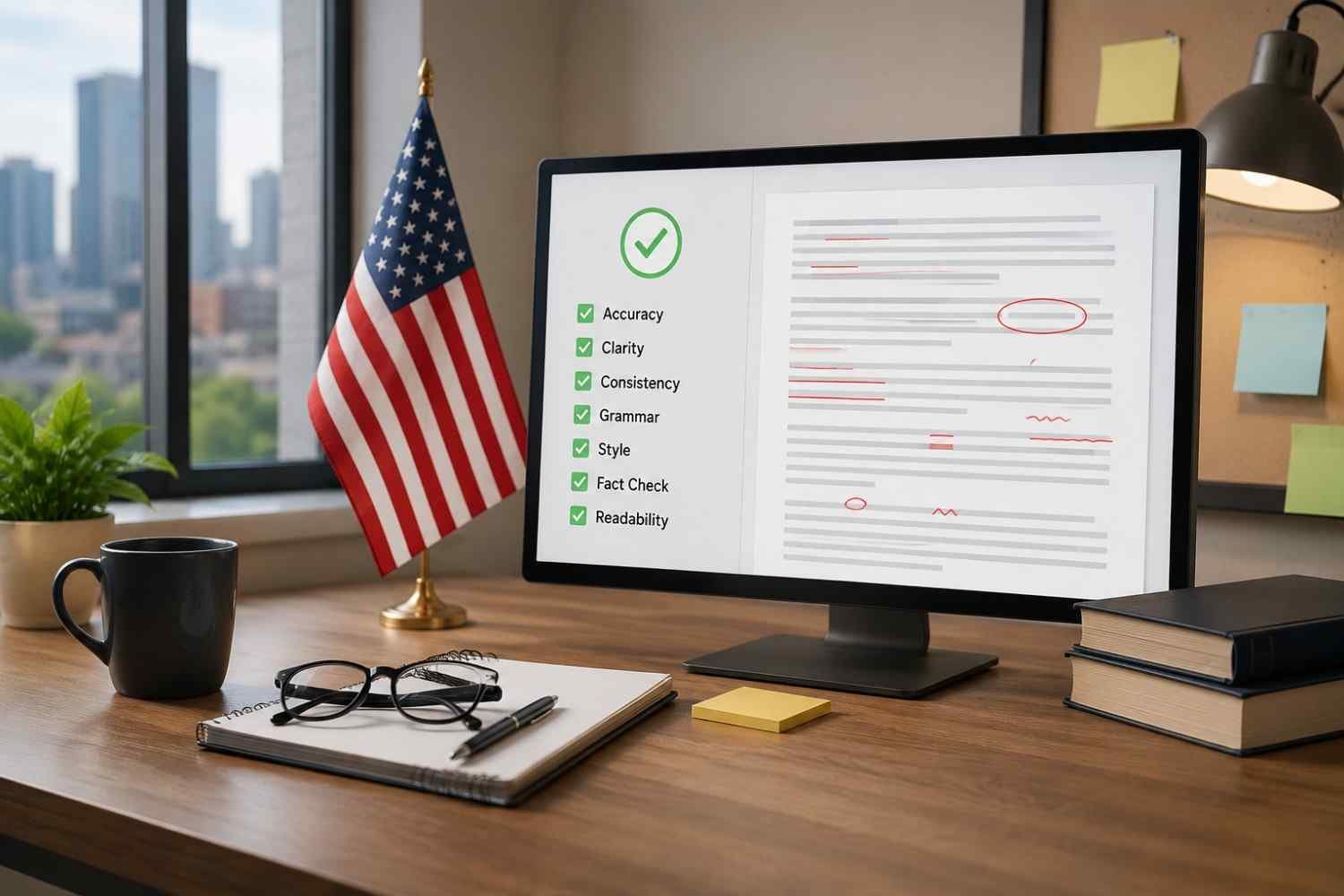
Fast content production often creates rushed reviews. That usually leads to publishing errors that could have been avoided with a stronger approval workflow.
Brand-focused editing systems add formal review stages before scheduling or publishing happens.
Structured Review Queues Improve Accuracy
Instead of random approvals happening through email threads or chat messages, content moves through predefined review stages.
For example:
- Initial draft review
- Copy editing
- Brand alignment check
- Visual consistency review
- Final approval
This creates accountability while reducing revision chaos.
Brand Checklists Keep Standards Consistent
Many teams now use editing checklists during the review process. These checklists verify:
- formatting accuracy
- headline structure
- tone alignment
- compliance requirements
- factual accuracy
- branding consistency
The process feels repetitive at first, but it dramatically improves publishing reliability over time.
Compliance Reviews Protect Larger Brands
For industries like finance, healthcare, education, and enterprise software, editing workflows also support legal and compliance reviews.
Final approval gates help teams avoid:
- unsupported claims
- licensing issues
- copyright problems
- regulatory violations
That layer becomes increasingly important as brands scale content production.
Scalability Is The Real Long-Term Advantage

Most workflows look manageable when a company publishes only a few assets each week. The real challenge appears when production scales aggressively.
Without structure, scaling content usually creates:
- inconsistent branding
- creator burnout
- missed deadlines
- duplicated edits
- communication breakdowns
A scalable workflow removes those friction points.
| Workflow Phase | Consistency Benefit | Common Tools |
| Asset Selection | Prevents outdated visuals | Digital Asset Management |
| Draft Editing | Maintains tone and structure | Collaboration Platforms |
| Visual Polish | Locks editing styles | Professional Editing Software |
| Approval Workflow | Ensures compliance and accuracy | Workflow Automation Systems |
The biggest difference is operational clarity. Teams stop reinventing the process for every project.
Common Questions About Brand Focused Editing Workflow
1. What is a brand-focused editing workflow?
A brand-focused editing workflow is a structured process that standardizes how content gets reviewed, edited, approved, and published while maintaining consistent brand identity.
2. Why is editing consistency important for brands?
Consistent editing helps audiences recognize and trust a brand more easily. It also improves professionalism across blogs, videos, social posts, and marketing campaigns.
3. What tools help improve content editing workflows?
Common tools include digital asset management systems, collaboration software, workflow automation platforms, and professional editing applications.
4. How do workflows help large content teams?
Workflows reduce confusion, simplify approvals, improve collaboration, and maintain consistent quality across multiple creators and departments.
Wrapping Perspective
A strong editing workflow does far more than organize production. It protects how a brand looks, sounds, and feels every time someone interacts with its content. That level of consistency becomes difficult to maintain once teams scale without structured systems in place.
The brands that stay recognizable long term are usually the ones that build repeatable editing standards early instead of fixing inconsistency later.