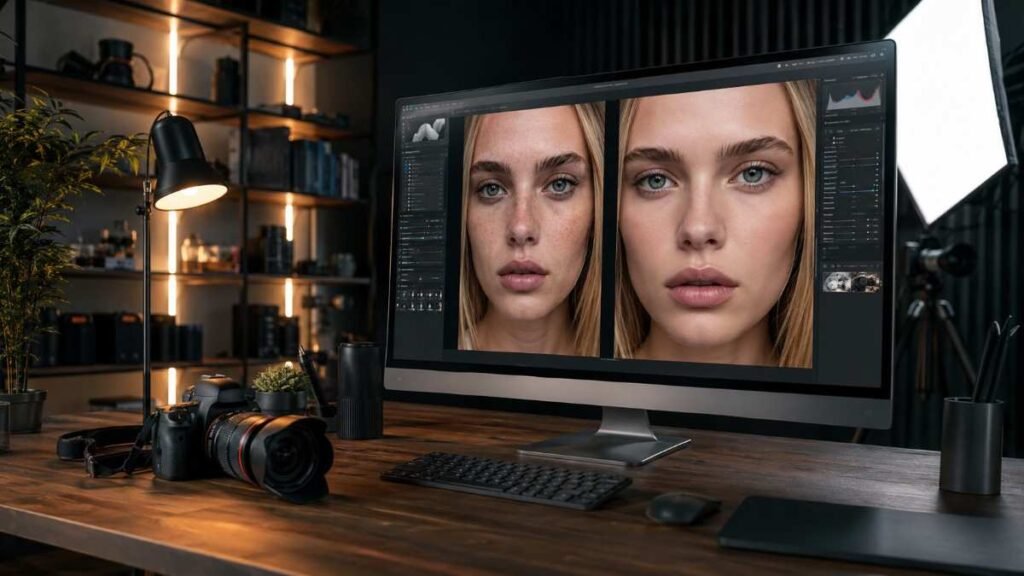
Scrolling through Instagram today feels completely different compared to just a few years ago. Overly polished edits and plastic-looking portraits are fading, while authentic visuals with emotional depth are getting more attention.
AI photo editing trends are now focused on realism, nostalgia, and smarter workflows that help creators enhance photos without making them look artificial. Around 71% of social media images now feature some form of AI enhancement, and the biggest shift is surprisingly human.
Key Takeaways
- AI photo editing trends now focus on authenticity and emotion
- Retro film aesthetics and nostalgic edits are rapidly growing
- AI workflow automation saves photographers editing time
- Generative editing tools improve creative flexibility
- Natural-looking edits perform better on social media platforms
Why AI Photo Editing Trends Are Changing Fast?
A few years ago, creators chased flawless AI portraits with dramatic filters and unrealistic skin smoothing. Today, audiences connect more with imperfect visuals that feel personal and emotionally relatable. This shift is influencing photography, branding, influencer marketing, and ecommerce content.
Modern AI tools are also becoming more invisible. Instead of replacing creativity, they now support photographers by speeding up repetitive tasks while preserving artistic control and natural image quality.
Social Media Is Fueling AI Photo Editing Trends
Creators are moving away from heavily edited photos and embracing softer lighting, candid moments, and natural textures. Searches for “film camera aesthetic” and “unfiltered photos” continue to rise because audiences crave realistic content.
AI Is Becoming A Creative Assistant
Photographers are using AI more strategically than ever. Instead of relying entirely on automated filters, creators combine AI enhancements with manual color grading and storytelling techniques. This balance keeps visuals original while reducing editing time.
The Rise Of The Anti-AI Aesthetic In Photo Editing
One of the biggest AI photo editing trends is the move away from overly artificial visuals.
Messy And Imperfect Photography
Creators are intentionally adding grain, light leaks, motion blur, and disposable camera effects to make images feel nostalgic and emotionally real. These imperfections make photos look less staged and more relatable.
Natural Skin Retouching
Modern AI portrait editing tools now preserve freckles, texture, and natural lighting instead of creating plastic-looking skin. This subtle retouching style feels more trustworthy for influencers, lifestyle creators, and photographers.
The “Unfiltered” Look
People are becoming more aware of overedited content. AI photo editing trends now prioritize realism over perfection. Warm tones, candid expressions, and documentary-style edits often perform better online because they feel emotionally honest.
Nostalgic Styles Dominating AI Photo Editing Trends
Retro-inspired visuals are making a major comeback in photography.
Digital Camera Nostalgia
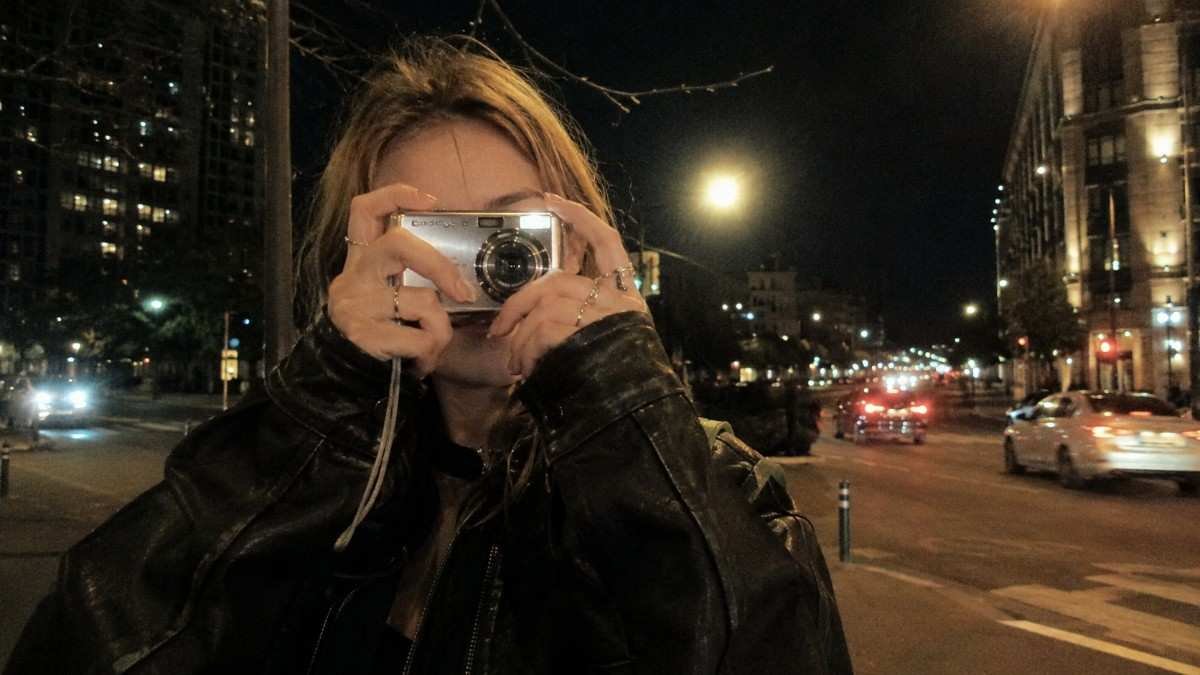
Early 2000s aesthetics are trending again. Creators are using AI filters that recreate low-resolution flash photography, timestamp overlays, and grainy textures. These edits trigger nostalgia and remind people of old digital camera memories.
Film Emulation Edits
AI-powered film simulation tools are becoming incredibly advanced. Editors can now recreate classic film stocks like Kodak Portra and Fuji 400H with realistic color grading and cinematic softness. Wedding photographers and travel creators especially love these timeless aesthetics.
Vintage Black And White Photography
Classic monochrome edits are evolving with AI support. Instead of harsh grayscale effects, creators are using warmer black-and-white tones with subtle sepia undertones. This creates a softer and more emotional editorial look.
Emotional Storytelling In AI Photo Editing Trends
AI editing is becoming more narrative-driven than ever before.
“Meet Your Younger Self” Portraits
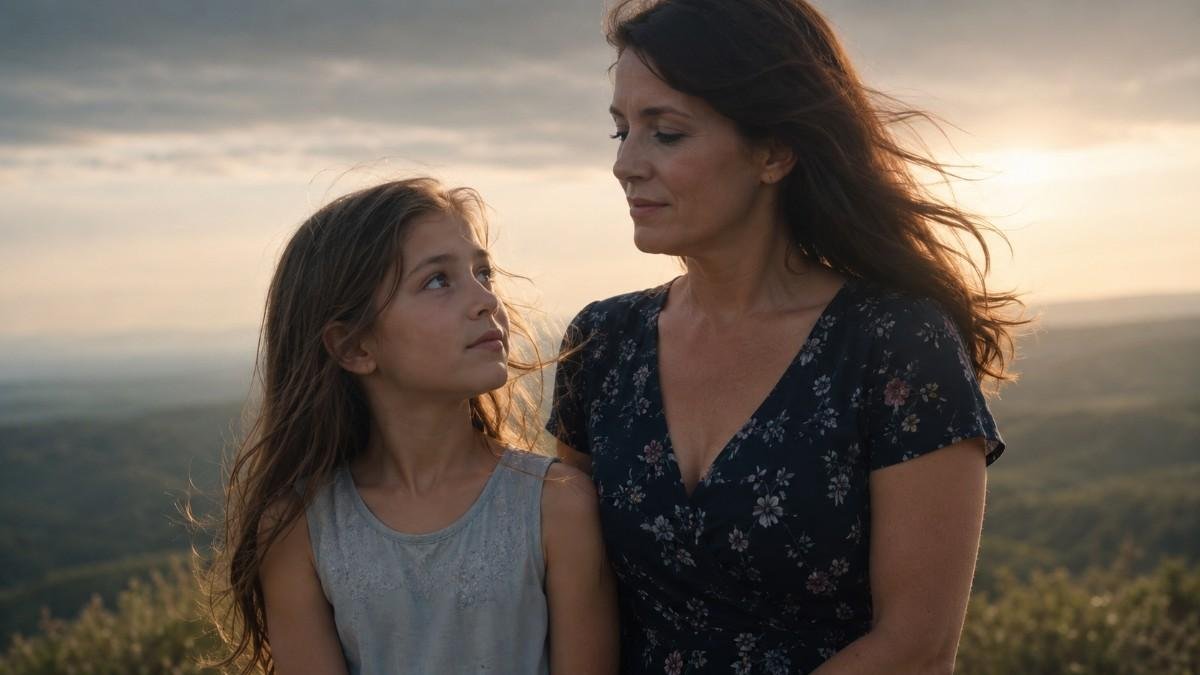
One emotional trend involves recreating scenes between adults and their childhood selves. Using AI compositing tools, creators are producing cinematic portraits that feel deeply personal and nostalgic. These edits often go viral because they connect strongly with viewers emotionally.
AI Barbie And Action Figure Portraits
Stylized AI portraits continue dominating social media. Creators are transforming selfies into collectible-style action figures, Barbie-inspired characters, and cinematic avatars. These edits combine humor, creativity, and personalization in ways audiences love sharing online.
Invisible AI Workflows Are Reshaping Editing
Many AI photo editing trends now happen quietly behind the scenes.
AI Culling And Retouching
Professional photographers are saving hours with AI automation. Tools like Aftershoot and Retouch4me can instantly sort photos, detect sharp images, and apply natural retouching automatically. This allows photographers to focus more on creativity instead of repetitive tasks.
Smart Utility Presets
AI utility editing is becoming more advanced. Modern software can fix lighting, reduce noise, remove distractions, and correct white balance automatically while still maintaining natural image quality. These subtle improvements often go unnoticed because they feel realistic.
Advanced Generative AI Photo Editing Trends
Generative AI editing tools are opening new creative possibilities for photographers and creators.
Generative Expand And Reframing
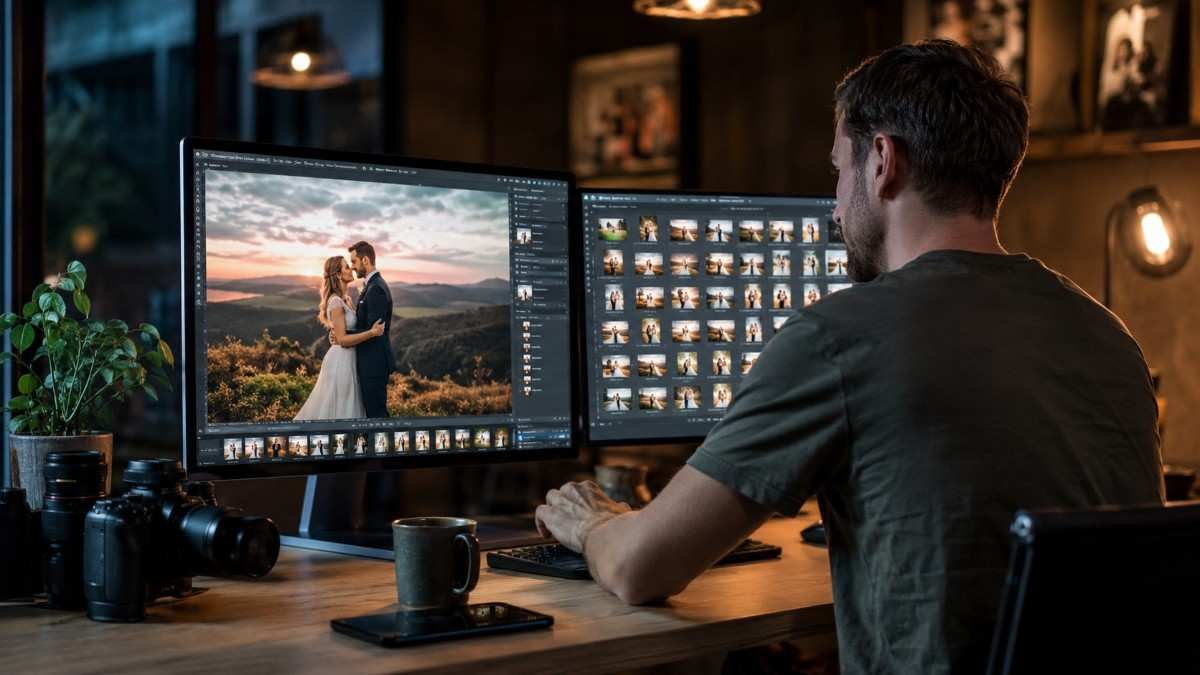
AI-powered scene expansion is changing photo composition workflows. Adobe Firefly and Apple Intelligence allow creators to extend backgrounds and reframe images instantly for different social platforms. This helps photographers repurpose content more efficiently.
Character Consistency In AI Editing
Consistency is becoming essential for creators and brands. Advanced AI systems can maintain the same visual identity, clothing, and facial features across multiple scenes. This creates stronger storytelling and cohesive branded content.
AI-Powered 3D Photo Editing
AI editing is no longer limited to flat images. New tools can generate depth maps from 2D photos, allowing creators to relight scenes and simulate cinematic camera movement in three dimensions.
Best Tools Behind AI Photo Editing Trends
Several platforms are shaping AI editing in 2026.
- Adobe Photoshop and Lightroom remain the industry standard for generative editing and advanced workflows.
- Luminar Neo is popular for portrait enhancement and atmospheric lighting adjustments.
- Canva Magic Studio continues to dominate fast social media content creation.
- Meanwhile, Pixlr, Fotor, and Lensa are making AI editing accessible for beginners through mobile-friendly workflows.
- FLUX is also emerging as a strong open-source image generation model for creators who want greater visual control.
How To Use AI Photo Editing Trends Effectively
Following AI photo editing trends works best when authenticity stays at the center of the creative process.
Start by choosing a visual style that matches your photography niche instead of chasing every viral trend. Experiment with film textures, cinematic color grading, and nostalgic edits while preserving realistic lighting and natural skin tones.
Use AI tools to speed up repetitive tasks like culling, retouching, and background cleanup, but keep creative decisions personal. Audiences respond better to visuals that feel emotionally honest rather than heavily automated.
Frequently Asked Questions
1. What are the biggest AI photo editing trends in 2026?
Authentic edits, nostalgic film aesthetics, emotional storytelling, AI automation, and generative scene expansion are among the biggest trends this year.
2. Which tools are best for AI photo editing trends?
Adobe Photoshop, Lightroom, Luminar Neo, Canva Magic Studio, Lensa, and FLUX are popular AI editing tools in 2026.
3. Are natural-looking edits replacing polished AI photos?
Yes. Audiences now prefer realistic textures, softer retouching, and emotionally relatable visuals over heavily filtered edits.
4. How do AI photo editing trends help photographers?
AI speeds up workflows by automating retouching, culling, lighting fixes, and background editing while allowing photographers to focus on creativity.
Final Snapshots On AI Photo Editing Trends
AI photo editing trends are no longer about creating unrealistically perfect images. The biggest movement in 2026 is authenticity. From nostalgic film-inspired edits to invisible AI automation, creators are using technology to enhance emotion, storytelling, and visual identity instead of replacing them. Photographers who combine smart AI workflows with genuine creativity will stand out the most in today’s competitive digital landscape.