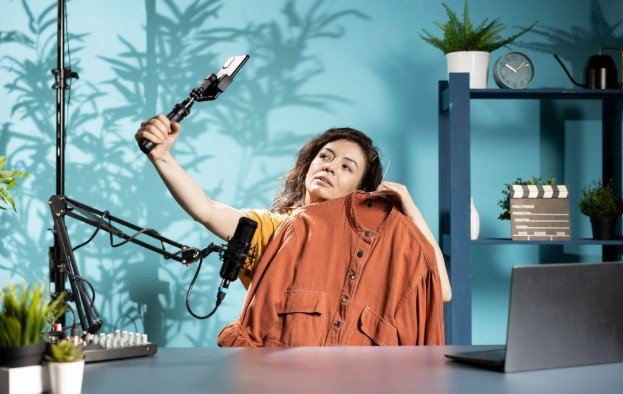
When I first started filming vlogs, I spent way too much time improving video quality while completely ignoring audio. My footage looked sharp, but the sound felt hollow, noisy, and distracting. The moment I upgraded my microphone setup, everything changed. Viewers stayed longer, engagement improved, and my videos instantly felt more professional.
Choosing the right microphone is honestly one of the fastest ways to level up your content. Whether you shoot travel videos, talking-head YouTube content, cinematic reels, or outdoor lifestyle footage, clean sound matters more than most creators realize.
In this guide, I’ll break down the microphones that actually work for modern creators, what features matter most, and how to choose the right setup without wasting money on gear you’ll regret buying later.
Why Audio Quality Matters More Than Camera Quality
Most viewers will tolerate average video quality if the audio sounds clean. But poor sound instantly makes even expensive footage feel amateur. I learned this the hard way while filming outdoors. Wind noise, echo, traffic sounds, and inconsistent voice levels completely ruined otherwise great footage.
A proper vlogging microphone helps reduce background noise, capture clearer voice detail, improve audience retention, create a cinematic feel, and make editing easier. This is why many successful creators prioritize audio before upgrading cameras.
Types of Vlogging Microphones Explained
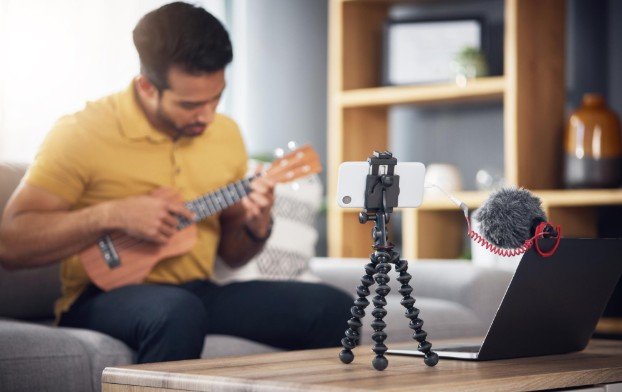
Different microphones work better for different shooting styles. Understanding the difference saves a lot of frustration later.
Shotgun Microphones
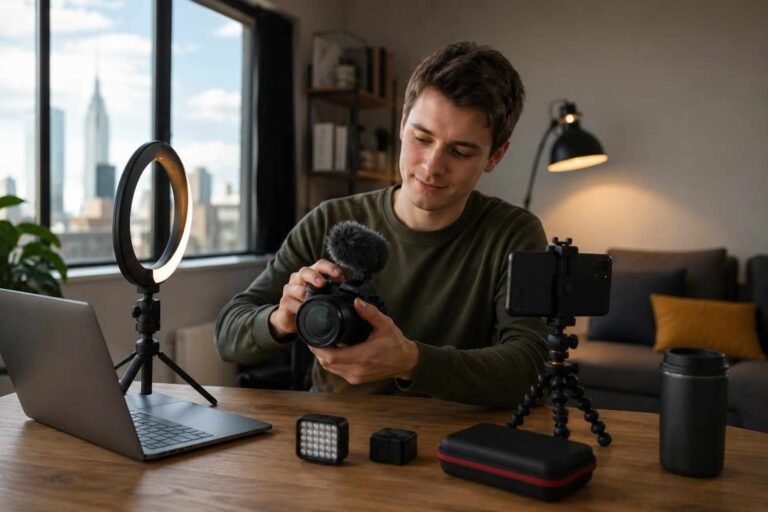
Shotgun microphones mount directly on top of the camera and capture sound from the direction you point them.
These are ideal for walking vlogs, street filming, travel content, and run-and-gun shooting. They help isolate your voice while reducing surrounding noise. Popular options include the Rode VideoMic Pro+, Deity V-Mic D4 Mini, and Sennheiser MKE 400.
Wireless Microphones
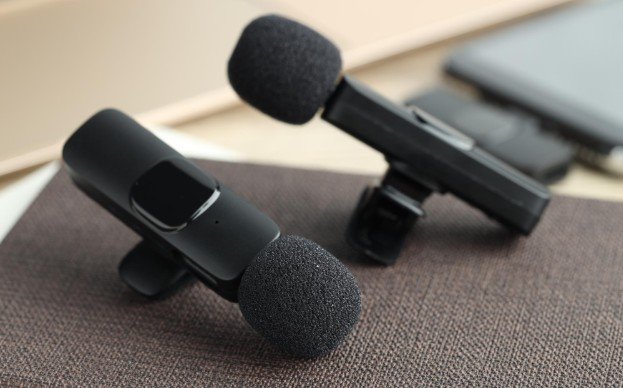
Wireless systems are now dominating creator setups because they allow freedom of movement. If you record yourself while walking, cooking, driving, or presenting products, wireless microphones make life dramatically easier.
Many creators now prefer systems like DJI Mic 2, Rode Wireless PRO, and Hollyland Lark M2 because they deliver clean audio while keeping cables out of frame.
Lavalier Microphones
Lavalier microphones clip directly onto clothing and work well for interviews and controlled indoor recordings. They are lightweight, affordable, and simple to use. However, cheap lavaliers often pick up clothing rustle, so placement matters a lot.
Features That Actually Matter for Vloggers
Most beginners focus too heavily on technical specs instead of real-world usability. Here’s what genuinely matters.
Wind Protection
Outdoor creators absolutely need quality wind protection. Even expensive microphones sound terrible in the wind without proper deadcast or foam filters. I always recommend testing microphones outdoors before relying on them for travel content.
Battery Life
Long recording sessions drain wireless transmitters surprisingly fast. For travel creators, battery life becomes critical during full-day shoots. Some modern systems now offer charging cases that significantly improve convenience.
Camera Compatibility
Not every microphone works seamlessly with every camera. Some cameras require TRS cables, USB-C adapters, gain adjustments, or powered inputs. Always verify compatibility before buying.
Best Microphones by Creator Type
The biggest mistake creators make is buying microphones based only on popularity. Your filming style matters far more than hype or expensive branding.
Travel vloggers usually benefit most from wireless microphones because they allow movement while maintaining clean outdoor audio. Studio creators often prefer shotgun microphones since they capture focused directional sound while reducing unwanted room noise.
Interview creators typically get better results with lavalier microphones because they provide consistent voice pickup close to the speaker. Walking vloggers often combine wireless transmitters with lavaliers for stable sound while moving through busy environments.
Common Mistakes That Ruin Vlog Audio
I still see creators making the same avoidable mistakes repeatedly.
Recording Too Far From the Microphone
Distance kills audio quality fast. Even premium microphones sound weak when placed too far from the subject.
Ignoring Room Echo
Large empty rooms create harsh reflections that make voices sound distant. Soft furniture, curtains, and rugs dramatically improve sound quality.
Overusing Noise Reduction
Heavy audio cleanup often creates robotic voices. It’s always better to record clean audio directly rather than trying to fix everything later.
Budget vs Premium Microphones
You do not need to spend thousands to get great audio. Many affordable microphones now outperform older expensive systems. Budget microphones usually sacrifice build quality, battery life, advanced controls, and wireless stability.
But entry-level options are still more than good enough for most creators starting out. Premium systems mainly improve reliability and workflow speed.
Outdoor Vlogging Audio Tips
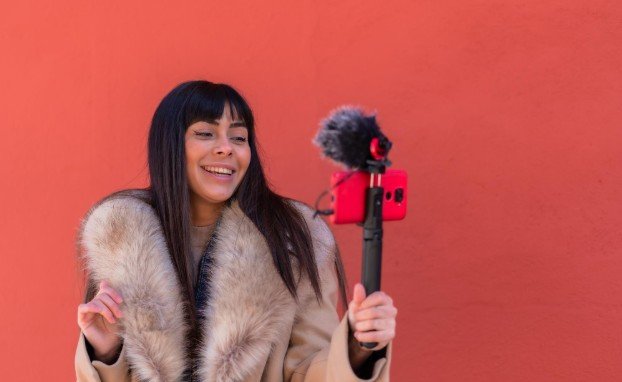
Outdoor filming creates the biggest audio challenges. Whenever I film outside, I focus on microphone positioning before anything else.
Some simple tricks help massively. Keep microphones close to your mouth, avoid filming directly into wind, monitor audio with headphones, lower camera preamp gain, and use layered wind protection. These small adjustments instantly improve production quality.
Editing Tips That Make Audio Sound Professional
Good editing can elevate average recordings dramatically.
Light Compression
Compression keeps voice volume balanced and easier to hear.
Gentle EQ Adjustments
Reducing muddy low frequencies often makes dialogue cleaner.
Noise Floor Cleanup
Removing subtle background hum helps audio feel polished without sounding artificial. The goal is natural clarity rather than overly processed sound.
Frequently Asked Questions
1. What is the best microphone type for beginners?
Wireless microphones are often the easiest option because they provide flexibility and cleaner sound without complicated setups.
2. Are shotgun microphones better than lavalier microphones?
Shotgun microphones work better for directional sound capture, while lavaliers are better for consistent voice recording close to the speaker.
3. Can smartphones use professional microphones?
Yes. Many modern microphones support USB-C and Lightning adapters for smartphone creators.
4. Are expensive microphones worth it for beginners?
Not always. Many affordable systems now produce impressive audio quality for beginner creators.
5. What are the Best microphones for camera vlogging for outdoor creators?
Wireless microphones with strong wind protection usually perform best for outdoor filming and travel content.
Final Thoughts From My Experience
After years of testing creator gear, I honestly believe audio upgrades improve content faster than camera upgrades. Viewers immediately notice cleaner sound, even if they cannot explain why the video feels more professional.
The biggest improvement in my workflow came from simplifying my audio setup instead of constantly chasing complicated gear. Once I started using microphones designed specifically for my filming style, recording became easier, editing became faster, and my content instantly felt more polished.
Great audio does not require a massive budget anymore. It simply requires choosing the right microphone for the way you actually create content.