

Scrolling through beautifully edited seasonal fashion photos can make photo editing feel impossible to master at first. Cozy autumn tones, dreamy spring lighting, and polished outfit shots always seem effortless online. Learning how to learn photo editing became much easier once simple workflows replaced random tutorials and confusing tools.
With the right editing process, consistent practice, and beginner-friendly software, creating professional-looking fashion content becomes surprisingly achievable even for complete beginners.
Why Learn Photo Editing?
Strong editing transforms ordinary fashion images into content that feels polished, aesthetic, and professional. Seasonal fashion creators especially rely on editing to enhance textures, colors, and mood because every season carries a different visual atmosphere.
Winter fashion photos often need cooler tones and balanced shadows, while spring outfit shoots benefit from soft lighting and vibrant pastel adjustments. Learning editing helps create that emotional connection viewers instantly notice online.
Photo editing also improves personal branding. Whether creating Pinterest content, Instagram outfit posts, or fashion blog visuals, consistent editing styles help content look recognizable and visually cohesive across platforms.
Choose The Right Editing Software
Picking the right editing software is the first step in learning how to learn photo editing without feeling overwhelmed. Beginners often improve faster by sticking to one platform before exploring advanced tools.
Lightroom For Easy Workflow
Adobe Lightroom is one of the best beginner-friendly editing tools available today. It simplifies exposure adjustments, color grading, cropping, and basic retouching through a clean and organized interface.
Fashion creators love Lightroom because it helps maintain consistent aesthetics across seasonal outfit photography. Warm autumn edits, muted winter tones, and bright summer colors all become easier to create with simple slider adjustments.
Photoshop For Advanced Editing

Photoshop works best for detailed retouching and professional-level edits. Once basic editing skills improve, Photoshop becomes useful for removing distractions, enhancing clothing textures, and refining portrait details.
Many fashion photographers combine Lightroom for overall adjustments and Photoshop for final retouching. Learning both gradually creates a stronger editing foundation long term.
Free Apps For Beginners
Expensive software is not mandatory while starting. Free tools like Snapseed, Canva, GIMP, and Lightroom Mobile offer powerful beginner editing features for learning exposure, contrast, and color correction. Using free apps removes pressure and allows more room for creative experimentation during the learning phase.
Learn The Basic Editing Workflow
Understanding a simple workflow is one of the most important parts of learning how to learn photo editing properly. Random editing often creates inconsistent and overprocessed results.
Balance Exposure First
The first editing step should always focus on balancing exposure. Adjust brightness, highlights, shadows, whites, and blacks until the image looks naturally balanced.
Many Lightroom users use auto-adjustment suggestions as a starting point before fine-tuning manually. Seasonal outdoor shoots often need extra shadow recovery because lighting conditions change dramatically between seasons.
Adjust White Balance And Colors
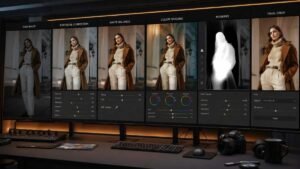
White balance controls how warm or cool an image appears. Autumn fashion photography usually benefits from warm golden tones, while winter aesthetics often look better with cooler neutral adjustments.
Instead of oversaturating colors, focus on vibrance and selective color enhancement. This keeps outfit textures and skin tones looking realistic while still creating visually appealing edits.
Add Effects Carefully
Clarity, texture, and vignette tools can enhance mood and depth beautifully when used subtly. Fashion photography often looks more professional with soft adjustments rather than dramatic effects.
Overediting is one of the biggest beginner mistakes. Small changes usually create cleaner and more timeless results.
How To Learn Photo Editing Step By Step
Learning how to learn photo editing becomes easier when approached gradually instead of trying to master everything at once. Consistency matters far more than speed.
- Start by editing simple images with natural lighting. Focus on understanding exposure, cropping, and color balance before moving into advanced retouching or masking techniques. Fashion outfit photos are perfect practice material because clothing textures, skin tones, and seasonal colors help train your editing eye naturally.
- Once basic adjustments feel comfortable, begin learning masking tools. Radial gradients, brush masks, and selective adjustments help brighten subjects or darken distracting backgrounds without affecting the entire image. These tools are commonly used in fashion photography to create cinematic depth and visual focus.
- Watching editing tutorials while practicing simultaneously improves skills much faster than passive learning alone. Following structured YouTube creators like Piximperfect or Phlearn helps beginners understand why edits work instead of simply copying random slider settings.
- Editing the same image multiple ways also builds creative confidence. Try creating a warm vintage autumn edit, a bright spring editorial look, and a moody winter aesthetic using the same photo. This exercise teaches how color and lighting influence storytelling.
Practice With Seasonal Fashion Photos
The fastest way to improve editing skills is through consistent creative practice. Seasonal fashion photography offers endless opportunities for experimenting with mood, lighting, and visual storytelling.
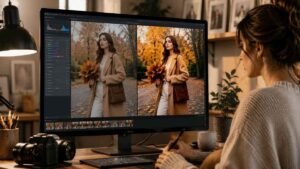
Study Fashion Campaign Styles
Fashion campaigns teach valuable editing lessons through color harmony, composition, and lighting choices. Luxury fashion brands often maintain consistent seasonal palettes that create strong emotional impact.
Observing how brands edit winter shadows, spring highlights, or autumn warmth can improve editing instincts naturally over time.
Recreate Looks You Admire
Trying to imitate editing styles is one of the most effective ways to learn. Find a seasonal fashion photo you love and attempt recreating similar tones using your own images.
This practice strengthens understanding of contrast, temperature, saturation, and mood creation much faster than random experimentation.
Practice Different Photography Types
Editing varied images improves overall versatility. Practice on portraits, outfit photography, flat lays, lifestyle shots, and product photos to understand how editing changes across subjects. Fashion creators who diversify practice often develop stronger visual storytelling abilities overall.
Common Mistakes Beginners Make
Learning how to learn photo editing involves making mistakes along the way. Recognizing those mistakes early helps improve results faster.
Using Too Many Filters
Heavy filters often destroy natural skin texture and outfit details. Fashion photography works best when edits enhance the image instead of overpowering it completely. Subtle edits usually look cleaner and more professional long term.
Ignoring Composition
Editing cannot fully fix weak composition. Strong photos begin with good framing, lighting, and styling before editing even starts. Understanding the rule of thirds and balanced composition improves editing outcomes dramatically.
Switching Between Too Many Tutorials
Constantly changing tutorials creates confusion because every creator uses different workflows and techniques. Following one trusted educator consistently builds stronger foundational skills. Practicing fewer techniques repeatedly usually works better than trying everything at once.
Frequently Asked Questions
1. What is the 20 60 20 rule in photography?
The rule divides the image into 20% foreground, 60% subject focus, and 20% background for balanced composition and visual depth.
2. What is the 80 20 rule in photography?
The 80 20 rule suggests spending 80% effort capturing strong photos and only 20% relying on editing improvements afterward.
3. What is the 50 50 rule in photography?
The 50 50 rule focuses on balancing highlights and shadows evenly to maintain natural-looking exposure and contrast.
4. What is the 2/3 rule for pictures?
The rule of thirds divides an image into nine equal sections to help place subjects in visually balanced positions.
Ready To Create Your Signature Editing Style?
Learning how to learn photo editing does not require expensive equipment or years of technical experience. Strong editing skills come from understanding light, color, composition, and consistent practice over time. Seasonal fashion photography makes the learning process even more exciting because every season brings unique colors, textures, and moods to experiment with creatively. Start simple, practice regularly, and allow your editing style to evolve naturally with experience.