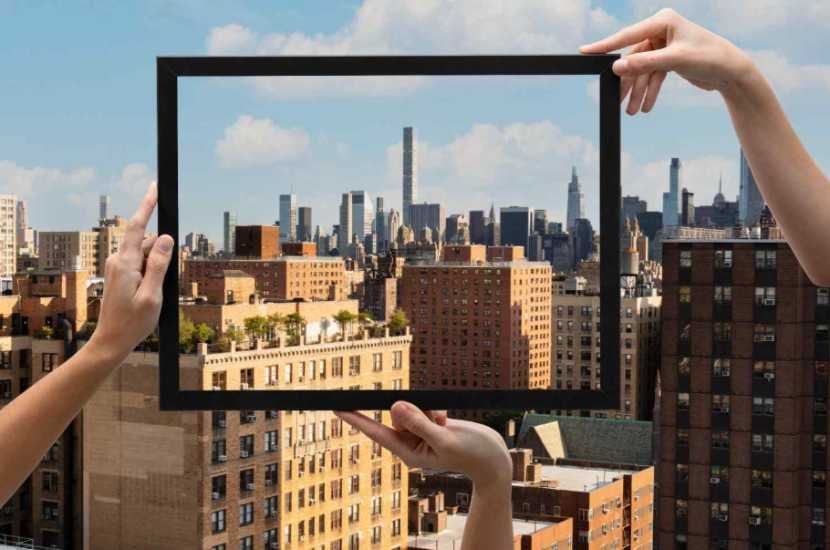
The fastest way to make a multi-million-dollar commercial property look forgettable is with poor photography. I’ve watched stunning office buildings, retail centers, and industrial facilities lose momentum online simply because the listing photos felt flat, crooked, dark, or outdated.
In today’s American commercial real estate market, buyers and tenants judge a property long before they ever step inside it. Most first impressions now happen on a screen.
That is exactly why commercial real estate photography has evolved into far more than basic property documentation. It has become a strategic marketing system built to attract investors, strengthen broker presentations, increase online engagement, and help listings compete across platforms like LoopNet, Crexi, and CoStar.
Modern commercial shoots now combine HDR interiors, cinematic drone footage, Matterport tours, advanced editing workflows, and branding-focused visuals to create a polished digital experience around the property.
What I find most interesting about CRE photography is that every property demands a completely different visual approach. A downtown office tower, a luxury hotel, and a warehouse facility all tell different business stories.
The strongest photographers understand how to capture those stories in ways that help brokers lease faster, investors gain confidence, and commercial properties immediately feel more valuable online.
Why Commercial Property Marketing Requires a Different Photography Strategy
One of the biggest mistakes new photographers make is treating commercial buildings like luxury homes. That approach rarely works.
Commercial buyers evaluate properties differently. A retail investor wants visibility, parking access, surrounding businesses, and traffic patterns. Industrial tenants care about warehouse clearance, truck access, loading docks, and operational efficiency. Office leasing teams focus on workspace flow, amenities, conference areas, branding opportunities, and natural lighting.
Commercial projects that target premium investors often combine these strategies with insights from luxury real estate photography to create stronger visual branding and higher perceived property value.
Because of this, the photography process becomes much more technical and strategic.
I usually spend significant time planning camera angles, drone flight paths, lighting balance, and staging before the actual shoot even begins. Large commercial properties also require coordination with property managers, brokers, developers, tenants, and marketing teams.
The best commercial real estate photography captures not only appearance but also usability and long-term business potential.
How High-Quality CRE Media Impacts Leasing and Sales
Commercial listings compete aggressively online. If a property looks outdated, dark, distorted, or incomplete, buyers immediately move to the next listing.
Strong visual presentation helps properties feel more premium and trustworthy. I’ve seen well-produced media dramatically improve leasing campaigns because professional imagery creates a stronger first impression before anyone schedules a tour.
In today’s market, media packages often influence:
- Investor confidence
- Broker presentation quality
- Website engagement
- Digital advertising performance
- Tenant inquiries
- Brand perception
- Social media reach
Drone photography especially plays a huge role because it instantly communicates property scale and surrounding infrastructure.
The Most Important Commercial Property Media Services
Modern CRE marketing goes far beyond standard photography.
Aerial drone photography has become one of the most requested services across the United States. Brokers use drone footage to showcase traffic flow, highway visibility, roof conditions, parking layouts, and nearby developments. Retail plazas, hotels, industrial parks, and office campuses benefit heavily from aerial perspectives.
Interior HDR photography is equally important. Commercial interiors often contain difficult lighting situations with dark shadows and bright windows. HDR blending and flambient techniques help create balanced images that look clean while still appearing realistic.
Matterport 3D tours have also transformed the industry. Out-of-state investors and remote corporate tenants now expect interactive walkthrough experiences before traveling to visit properties. Accurate floor plans and immersive navigation help serious buyers evaluate spaces faster.
Virtual staging and object removal services continue growing as well. Empty shell spaces can be digitally transformed into furnished offices, retail concepts, or hospitality environments that help clients visualize future possibilities.
Commercial Real Estate Photography Pricing in the USA
Pricing varies heavily depending on project scale, deliverables, location, and production complexity.
Smaller storefront shoots or simple exterior packages usually fall within entry-level pricing ranges. Mid-sized commercial projects like shopping centers, warehouses, or apartment developments often require larger media bundles that include drone photography, HDR interiors, and floor plans.
Large corporate campuses, luxury resorts, and industrial facilities typically involve advanced production services with cinematic video, multi-day shoots, advanced editing, and full marketing campaigns.
Most professional agencies structure pricing around:
- Property size
- Number of final images
- Drone coverage
- Video production
- 3D tours
- Licensing usage
- Editing complexity
- Turnaround speed
Licensing becomes especially important in commercial work because companies often use the images for long-term branding, advertising, investor relations, and multi-platform campaigns.
How I Prepare Before Every Commercial Shoot
Preparation matters just as much as photography skills.
Before arriving at a property, I usually review sunlight direction, weather conditions, occupancy schedules, parking access, and drone restrictions. Timing becomes critical because certain exteriors look dramatically better during sunrise, sunset, or blue hour.
Inside the property, I pay attention to:
- Lobby cleanliness
- Furniture positioning
- Window glare
- Overhead lighting consistency
- Branding visibility
- Reflections
- Clutter removal
For large office buildings or hotels, I often coordinate directly with management teams to temporarily clear spaces during photography sessions.
That preparation stage saves enormous editing time later.
Best Camera Equipment for Commercial Property Shoots
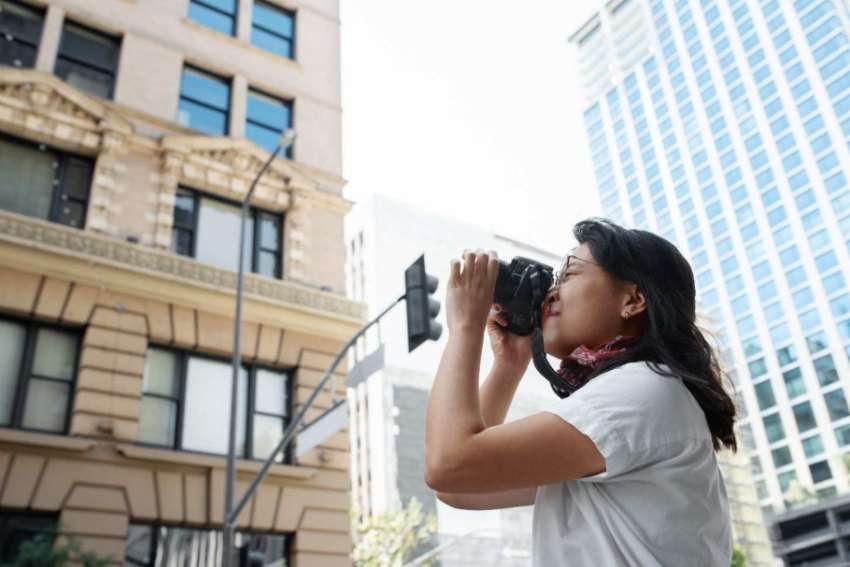
Professional gear definitely helps, but lighting knowledge and composition matter far more.
Most experienced photographers use full-frame mirrorless or DSLR systems paired with wide-angle lenses between 16mm and 24mm. Tilt-shift lenses are especially valuable because they help maintain straight architectural lines without distortion.
Tripods remain essential for HDR exposures and low-light interiors. I also rely heavily on drones, remote triggers, polarizing filters, and supplemental flash systems during complex projects.
One thing I’ve learned over time is that poor composition ruins images faster than inexpensive equipment ever will.
Why Drone Photography Dominates Modern CRE Listings
Aerial media has become one of the strongest conversion tools in commercial marketing.
Buyers want context. They want to understand traffic patterns, neighboring businesses, freeway access, surrounding developments, and parking capacity before scheduling a visit.
Drone footage provides that instantly.
For industrial facilities, aerial imagery highlights truck routes and loading infrastructure. For retail centers, it demonstrates visibility and customer access. For hospitality properties, it creates a stronger lifestyle presentation.
The best commercial real estate photography packages now almost always include some form of aerial coverage.
Editing Techniques That Make Commercial Spaces Look Premium
Editing is where professional commercial imagery separates itself from average listing photos. My editing workflow usually focuses on perspective correction, HDR blending, color balancing, sky cleanup, window exposure control, and removing distractions using advanced real estate photography editing software that helps maintain consistency across large property shoots.
Straight vertical lines are critical in architecture photography. Crooked walls or distorted corners immediately make buildings feel unprofessional.
I also avoid overediting because overly saturated or unrealistic images damage trust with investors and tenants.
The goal is to make the property feel polished while still looking believable.
Strong lighting control also plays a major role in commercial interiors, which is why many photographers study advanced real estate photography lighting techniques to create cleaner and more balanced property images.
How National CRE Photography Agencies Operate
Many brokers managing multi-state portfolios rely on nationwide photography networks rather than hiring individual freelancers for every location.
Companies like DroneVideos, HomeJab, and regional CRE production agencies coordinate local crews while maintaining consistent editing standards and delivery timelines.
This model helps large brokerages maintain consistent branding across properties located in different cities.
National directories and review platforms also help brokers find experienced photographers with specialized commercial expertise rather than general portrait or residential backgrounds.
How to Choose the Right CRE Photographer
Hiring the cheapest photographer usually becomes expensive later.
I always recommend reviewing complete project galleries rather than only highlight images. Consistency matters far more than a few impressive hero shots.
A strong commercial photographer should understand:
- Architecture
- Lighting control
- Drone operations
- HDR processing
- Real estate marketing
- Business branding
- Investor presentation standards
Experience with commercial properties specifically matters because office buildings, industrial spaces, hotels, and retail centers all require different visual strategies.
Frequently Asked Questions (FAQs)
1.What is commercial real estate photography?
Commercial real estate photography focuses on creating professional visual media for office buildings, retail centers, industrial facilities, hotels, warehouses, and other business properties.
2.How much does commercial real estate photography cost in the USA?
Pricing depends on property size, drone coverage, video production, editing complexity, and licensing requirements. Larger commercial projects typically cost significantly more than residential shoots.
3.Why is drone photography important for CRE listings?
Drone imagery helps buyers and investors understand surrounding infrastructure, parking access, traffic flow, neighborhood visibility, and overall property scale.
4.What are Matterport tours in commercial real estate?
Matterport tours are interactive 3D walkthrough experiences that allow remote investors and tenants to digitally explore commercial spaces online.
5.How long does a commercial property shoot take?
Smaller retail or office shoots may take a few hours, while hotels, industrial parks, and large commercial campuses may require full-day or multi-day productions.
Closing Frame
The commercial property industry has become incredibly visual, and expectations continue rising every year. Brokers, investors, and tenants now expect immersive, high-end media experiences before they ever visit a property in person.
That shift has completely changed how I approach CRE photography. Success no longer comes from simply taking wide-angle photos. The strongest projects combine storytelling, technical precision, drone strategy, lighting control, editing expertise, and marketing psychology into one polished presentation.
When done correctly, commercial visuals stop feeling like documentation and start functioning like a true sales tool.