I used to think every tripod was basically the same until I started carrying one for longer shoots. That is when weight, stability, setup speed, and material quality started to matter. If you are comparing a carbon fiber tripod vs aluminum tripod, the best choice depends on how you shoot, where you shoot, and how much you want to spend.
Carbon fiber is usually lighter, easier to carry, and better at reducing small vibrations. Aluminum is usually cheaper, strong, and practical for beginners, studio work, and controlled indoor shoots. The real question is not which one is better overall. It is which one is better for your camera setup.
What Makes Carbon Fiber Different?
Carbon fiber tripods are built for photographers who move around a lot. The lighter design makes hiking, travel photography, and outdoor shooting far more comfortable. Many photographers also prefer carbon fiber because it absorbs small vibrations better, which helps create sharper images during long exposures.
Another reason people choose carbon fiber is comfort. The material does not become freezing cold during winter shoots, and it usually feels more premium in hand. For photographers carrying heavy cameras all day, every pound saved matters. The downside is price, carbon fiber models usually cost more, especially if you buy from trusted brands with better leg locks and stronger construction.
Why Aluminum Tripods Still Matter
Aluminum tripods continue to dominate the beginner and budget-friendly market for good reason. They are reliable, durable, and often significantly cheaper than carbon fiber models.
The added weight can actually help stability in controlled environments. If you mainly shoot indoors, record videos at home, or work in a studio, the extra weight may not bother you at all.
Aluminum also handles everyday wear well. An elastohydrodynamic lubrication performance or scratches usually do not ruin the tripod immediately, making it practical for photographers who want dependable gear without spending too much.
Weight and Portability
Weight becomes important faster than most people expect. Carrying a tripod through airports, trails, crowded cities, or outdoor events can become exhausting if the setup is too heavy. Carbon fiber clearly wins in portability.
The lighter design reduces fatigue and makes it easier to pack alongside cameras, lenses, batteries, and other gear. Travel photographers and landscape shooters often prioritize this benefit.
Aluminum tripods are heavier, but they can still work perfectly for short trips, indoor work, or photographers who rarely carry equipment for long periods.
Stability and Wind Performance
A tripod should keep your camera steady under real shooting conditions. Carbon fiber performs extremely well at reducing micro-vibrations caused by wind, shutter movement, or uneven surfaces. This matters during long exposure photography, night photography, and telephoto photography where even tiny movement can soften image quality.
Aluminum tripods can still be very stable, especially high-quality models with thicker legs. However, cheaper aluminum options may vibrate more easily outdoors. No matter which material you choose, stability also depends on tripod height, leg thickness, center column design, and the tripod head itself.
Durability and Real-World Use
Many photographers assume carbon fiber is automatically stronger, but durability works differently between these materials. Carbon fiber is extremely stiff and lightweight, but severe impacts can crack or damage the legs.
Aluminum is more likely to bend or dent instead of cracking completely. For everyday photography, both materials can last years if maintained properly. Cleaning sand from the leg locks, drying the tripod after rain, and avoiding rough impacts all help extend lifespan.
Cold Weather and Outdoor Comfort
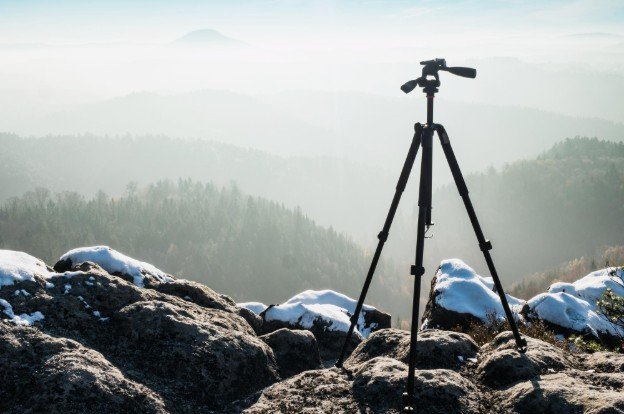
Outdoor photographers quickly notice how materials react to weather conditions. Carbon fiber remains more comfortable to hold during winter because it does not transfer cold temperatures as aggressively as metal. Aluminum can become uncomfortable in freezing conditions or very hot under direct sunlight.
This may not matter indoors, but it becomes noticeable during long outdoor sessions. Photographers shooting near beaches or wet environments should also clean aluminum tripods regularly to reduce corrosion risks around locks and joints.
Price and Overall Value
Price is where aluminum becomes very attractive. Many affordable aluminum tripods provide excellent stability and performance for casual photography, studio work, content creation, and beginner setups.
Carbon fiber costs more because of its lighter construction and vibration resistance. The higher price makes sense for photographers who travel often or spend hours carrying equipment outdoors. If portability is not your biggest concern, aluminum usually delivers better value for the money.
Which Material Fits Your Photography Style?
Travel photographers usually prefer carbon fiber because lighter gear makes long shooting days easier. Landscape photographers also lean toward carbon fiber because vibration control improves sharpness during long exposures, especially when they regularly clean camera lenses to maintain maximum image sharpness outdoors.
Studio photographers often choose aluminum because portability matters less indoors. Beginners typically get better value from aluminum since it allows them to invest more money into lenses, lighting, or editing software. For video work, the tripod head and fluid movement matter more than the leg material itself.
Common Buying Mistakes
One of the biggest mistakes is choosing a tripod based only on material. A poorly designed carbon fiber tripod can still perform worse than a high-quality aluminum model.
Always check the payload rating, folded size, maximum height, leg lock quality, and overall build design before buying. It is also smart to choose a tripod with a higher weight capacity than your current camera setup. This gives room for future lens upgrades.
Frequently Asked Questions
1. Is Carbon fiber tripod vs aluminum tripod better for beginners?
For most beginners, aluminum offers better value because it costs less while still delivering solid stability and durability.
2. Do carbon fiber tripods break easily?
Not usually, but strong impacts can crack carbon fiber. With proper care, they can last many years.
3. Are aluminum tripods bad for travel?
No. Many compact aluminum tripods work well for casual travel, though they are heavier than carbon fiber models.
4. Which tripod is better for landscape photography?
Carbon fiber is often preferred because it handles vibration more effectively during outdoor and long exposure shooting.
The Real Decision
After using both materials, I realized the best tripod is the one that fits your shooting habits. Aluminum makes sense for beginners, indoor setups, and photographers who want reliable gear at a lower price.
Carbon fiber feels more rewarding for photographers who travel often, hike with equipment, or shoot outdoors for long hours. The lighter weight and improved vibration control genuinely make the experience easier. Instead of chasing the most expensive option, focus on the type of photography you actually do most often.