The fastest way I improved my portraits was not buying a new camera. It was learning how to control light, direct people naturally, and focus correctly on the eyes every single time. Most weak portraits fail because of awkward posing, harsh lighting, or poor composition — not because of bad equipment.
These portrait photography tips helped me create cleaner, sharper, and more professional-looking photos without turning every session into a complicated production.
Quick Camera Settings That Work for Most Portraits
Before I worry about posing or editing, I lock in my camera settings. Good settings create consistency and save hours during editing.
Here’s the setup I return to constantly during portrait shoots:
| Setting | Recommended Range | Why It Works |
| Aperture | f/1.8 to f/4f/1.8\ \text{to}\ f/4f/1.8 to f/4 | Creates soft background blur |
| ISO | ISO 100ISO\ 100ISO 100 | Keeps images clean with low noise |
| Shutter Speed | 1/250s or faster1/250\text{s}\ \text{or faster}1/250s or faster | Prevents motion blur |
| Lens | 50mm to 85mm50\text{mm}\ \text{to}\ 85\text{mm}50mm to 85mm | Flatters facial proportions |
| Shooting Mode | Aperture Priority | Maintains consistent depth of field |
One thing I learned quickly: wide apertures look amazing, but they reduce focus accuracy. At extremely shallow depth of field, even slight movement can soften the eyes.
That is why I rarely shoot tighter headshots below:
f/2.2f/2.2f/2.2
unless the subject stays perfectly still.
Why Light Matters More Than Expensive Cameras
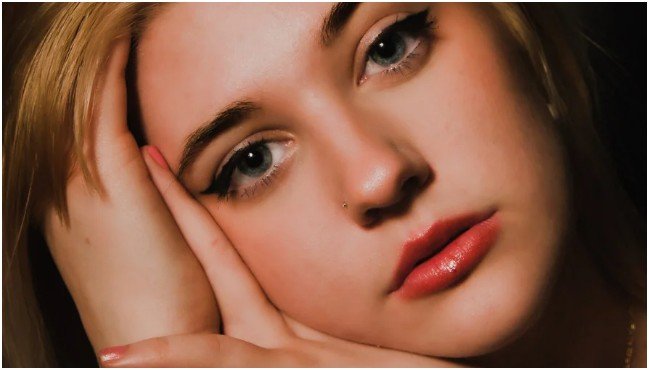
Lighting changes everything in portrait photography. I have taken beautiful portraits on entry-level cameras simply because the lighting worked perfectly.
Harsh midday sunlight creates deep eye shadows, shiny skin, and squinting. Softer light immediately improves skin texture and facial shape.
My Favorite Outdoor Lighting Trick
I almost always search for open shade first. Parking garages, alley entrances, trees, and building overhangs create soft directional light without forcing subjects to squint.
Golden Hour also creates beautiful warmth, but open shade is more consistent and easier to control.
Indoor Window Light Still Wins
Some of my best portraits came from simple window light. I place subjects near a large window at roughly:
45∘45^{\circ}45∘
to the light source so shadows stay soft while still giving the face depth.
This setup often looks more natural than aggressive studio lighting.
If you want to improve artificial lighting setups further, studying photography lighting techniques can dramatically improve portrait consistency.
Natural Posing Tricks That Make Anyone Look Better
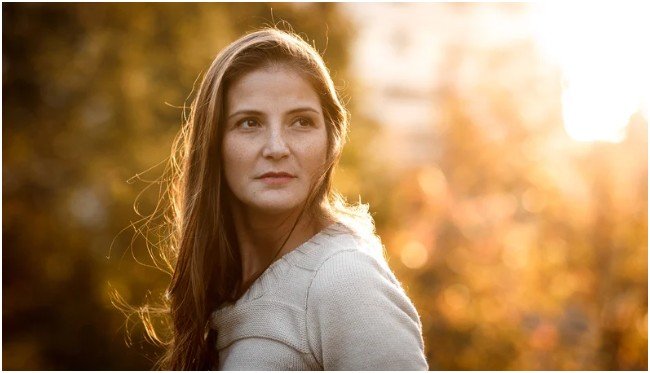
Most people say they are “awkward in photos.” Usually, they just need better direction.
The Shoulder Turn Fix
Facing the camera straight-on often makes portraits look stiff. Instead, I ask subjects to rotate their shoulders slightly away from the lens while keeping their face toward me.
This instantly adds dimension and creates a slimmer appearance.
The Forehead Lean
Professional headshot photographers often use the “turtle” technique. I ask subjects to gently push their forehead slightly forward toward the camera.
It feels strange in person, but it improves jawline definition immediately.
Keep Hands Busy
Hands become awkward when people overthink them. Giving subjects something simple to do helps naturally relax body language:
- Adjust a jacket
- Touch hair lightly
- Hold sunglasses
- Place hands in pockets
Small movement creates more natural energy.
The Biggest Portrait Mistakes I Stopped Making
The biggest improvement in my work came from avoiding common mistakes.
Missing Focus on the Eyes
Soft eyes instantly ruin portraits. I now use eye autofocus constantly because it dramatically improves keeper rates.
Overediting Skin
Heavy skin smoothing removes realism. Modern audiences prefer natural texture over plastic-looking edits.
I usually lower skin retouching strength far more than beginners expect.
Shooting Too Many Photos Too Quickly
Early on, I machine-gunned every pose. Now I slow down and watch expressions carefully. Some of the best portraits happen between poses, not during them.
Indoor Portrait Photography Tips
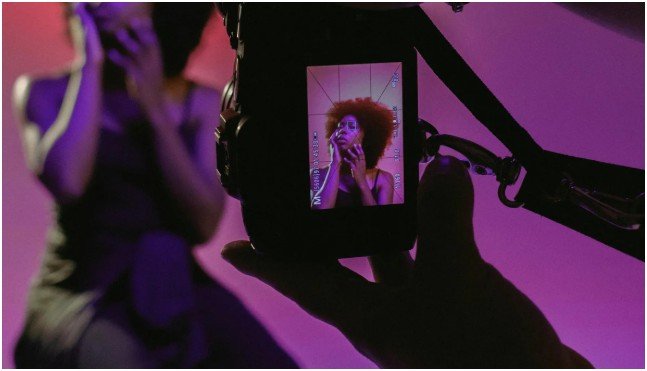
Indoor portraits become much easier once you simplify the setup.
Use One Light First
Many beginners overcomplicate lighting. One softbox or window light often looks better than multiple uncontrolled lights.
Separate the Subject From the Background
I pull subjects several feet away from walls whenever possible. This increases background blur and prevents ugly shadows behind the subject.
Watch Mixed Lighting
Indoor lighting becomes messy when daylight mixes with yellow household bulbs. Turning off extra room lights often creates cleaner skin tones.
Outdoor Portrait Photography Tips
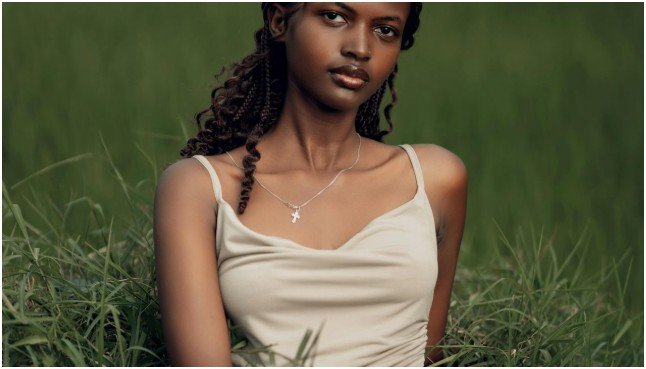
Outdoor portraits require flexibility because light changes constantly.
Avoid Direct Overhead Sun
When the sun sits high overhead, eye sockets become dark, and skin contrast becomes harsh.
I either:
- Move subjects into open shade
- Backlight them
- Wait for softer evening light
Use the Environment for Depth
Foreground objects improve outdoor portraits dramatically. Leaves, fences, windows, or passing objects can add cinematic layering.
Street photographers use this technique constantly to create “frames within frames.”
How to Make Subjects Feel Comfortable Fast
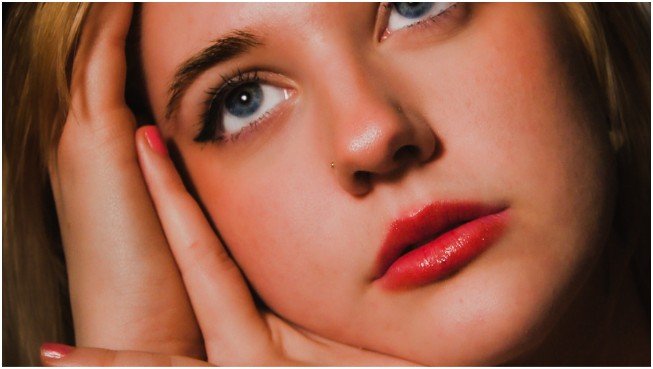
A relaxed subject always photographs better.
I spend the first few minutes talking instead of shooting. Once people stop thinking about the camera, expressions become far more genuine.
One trick that consistently works: I lower the camera between shots and continue the conversation naturally. Subjects relax immediately because they stop feeling constantly observed.
Music also helps during longer portrait sessions.
Portrait Composition Tips That Add Depth
Composition often separates average portraits from memorable ones.
Use the Rule of Thirds
I usually place the eyes near the upper third of the frame because it creates stronger balance and visual flow.
Leave Directional Space
If the subject looks left or right, I leave space in that direction. Tight crops against the face often feel visually cramped.
Simplify Backgrounds
Busy backgrounds compete with the subject. I constantly check for:
- Bright distractions
- Poles behind heads
- Random people
- Bright signs
Removing distractions improves portraits instantly.
Editing Tips That Keep Skin Natural
Editing should improve portraits without making people look artificial.
I focus mostly on:
- Exposure balance
- Skin tone correction
- Contrast control
- Eye sharpening
- Minor blemish cleanup
Natural skin texture matters. Texture makes portraits believable.
Adobe recommends subtle frequency separation and non-destructive retouching for maintaining realistic detail.
FAQs
1. What aperture is best for portraits?
Most portrait photographers use wide apertures between f/1.8 and f/4 for background blur.
2. What lens is best for portrait photography?
Lenses between 50mm and 85mm usually create the most flattering portraits.
3. How do photographers blur the background?
A wide aperture combined with subject-background distance creates stronger background blur.
4. What lighting works best for portraits?
Soft window light, Golden Hour sunlight, and diffused studio lighting produce the most flattering results.
5. Why are my portraits blurry?
Blur usually happens from missed eye focus, slow shutter speed, or subject movement.
Your Camera Is Not the Problem — Your Light Probably Is
Most portrait photography improvements come from observation, not gear upgrades. Better light, stronger composition, and relaxed interaction consistently outperform expensive equipment.
The next time you shoot portraits, focus on three things only:
- Soft light
- Sharp eyes
- Natural expression
Those three adjustments alone will improve your portraits faster than any new camera purchase ever will.