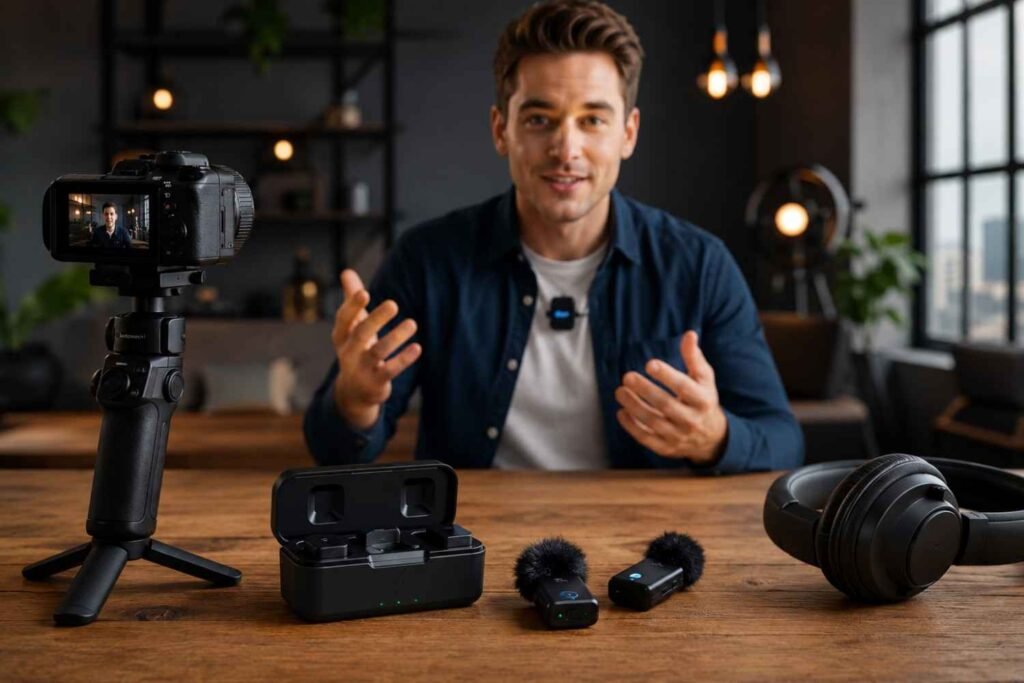
I used to think better video quality came down to cameras, lighting, and editing. Then I recorded a great-looking video with terrible audio and realized how quickly bad sound ruins everything. People will tolerate average visuals longer than they tolerate muffled voices, background hum, wind noise, or inconsistent volume.
That’s why creators eventually become obsessed with audio quality. A good wireless microphone does more than make your videos sound cleaner. It makes your content feel more trustworthy, professional, and easier to watch. Whether you film interviews, YouTube videos, short-form content, podcasts, or outdoor vlogs, the right wireless mic setup can completely change the final result.
Why Audio Quality Matters More Than Most Creators Expect
Most viewers notice sound problems immediately, even if they cannot explain what feels wrong. Poor audio creates fatigue. People stop trusting the production quality, and retention drops faster than many creators realize.
Wireless microphones solve several common recording problems:
- Inconsistent voice levels
- Echo-heavy indoor audio
- Wind interference
- Low smartphone microphone quality
- Distance-related volume loss
- Distracting background noise
This is also why creators eventually learn that the benefits of professional content creation go beyond visuals alone. Clear audio improves pacing, storytelling, viewer trust, and overall watch time.
Many beginner creators overspend on cameras while still recording through weak internal microphones. In reality, upgrading audio often creates a bigger improvement than upgrading video equipment.
What Actually Matters in a Wireless Microphone
A lot of microphone reviews overload people with technical specs, but only a few features truly matter in everyday recording situations.
Reliable Signal Stability
Wireless signal interference becomes noticeable fast during outdoor shoots, crowded areas, or moving recordings. Stable transmission matters far more than flashy marketing terms.
Premium systems from brands like RØDE, DJI, and Sennheiser usually perform better during real-world movement because they maintain cleaner signal consistency.
Internal Backup Recording
This is one feature creators underestimate until something goes wrong.
Microphones with onboard recording store backup audio directly inside the transmitter itself. If signal dropouts, clipping, or connection failures happen, you still have a clean recovery file.
That safety net matters massively for:
- Interviews
- Client shoots
- Podcasts
- Wedding videos
- Outdoor filmmaking
- Documentary work
Battery Life and Charging Convenience
Good battery management changes workflow efficiency more than people expect. Charging cases, fast charging, and long runtime become especially important during travel shoots or long recording sessions.
Compact kits that pack transmitters, receivers, cables, and windscreens together also reduce setup stress significantly.
The Best Premium Wireless Mics for Serious Video Work
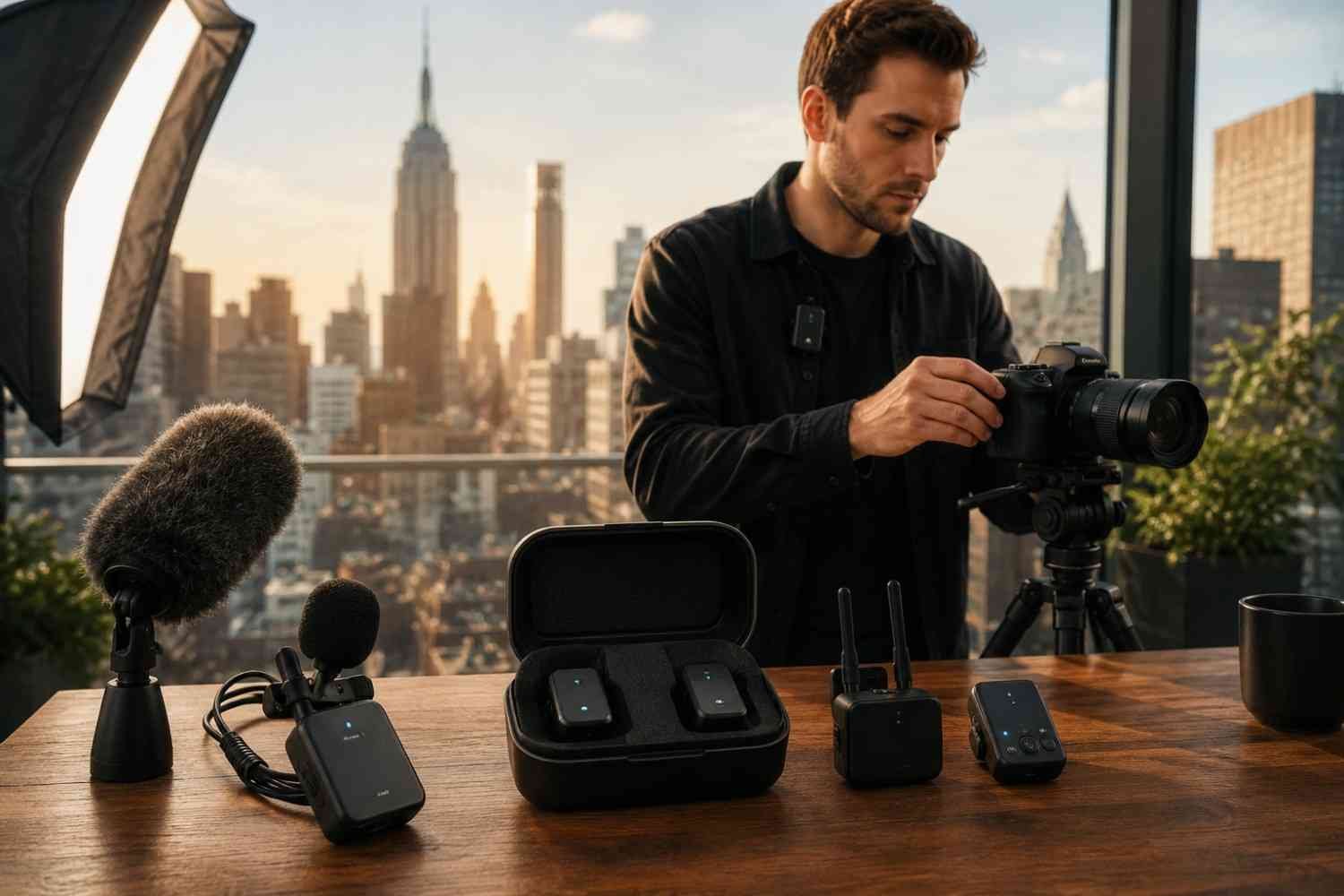
If you create videos professionally or work with multi-camera setups, premium wireless microphones usually justify their higher cost.
RØDE Wireless PRO
The RØDE Wireless PRO has become one of the strongest choices for professional creators because it combines high-end reliability with advanced recovery protection.
Its biggest advantage is 32-bit float internal recording. This technology allows creators to recover distorted or extremely quiet audio during post-production without permanently ruining the recording.
The system also includes:
- Timecode synchronization
- Locking lavalier connectors
- Professional lav microphones
- Strong transmission stability
- Rugged charging case support
For filmmakers, interviews, and commercial production, that level of protection can save entire projects.
DJI Mic 2
The DJI Mic 2 works especially well for solo creators who prioritize speed and simplicity.
Its touchscreen receiver feels far more intuitive than many traditional wireless systems. Gain adjustment becomes quick instead of frustrating, which helps during fast-moving shoots.
One of the most useful features is direct Bluetooth connectivity. You can connect transmitters directly to compatible devices without carrying an extra receiver.
That makes it excellent for:
- Smartphone creators
- Travel vloggers
- Short-form creators
- Mobile filmmaking
- Lightweight recording setups
The Best Mid-Tier Wireless Mics for Value
Mid-range microphones have improved dramatically over the last few years. Many now deliver surprisingly professional audio quality without premium pricing.
Hollyland LARK M2
The Hollyland LARK M2 became popular for one simple reason: it barely looks like a microphone.
The tiny button-sized transmitters attach magnetically and stay visually discreet during recordings. That matters for creators who dislike bulky clip-on systems appearing on camera.
Despite the compact design, it still delivers:
- 24-bit audio
- Strong transmission range
- Lightweight comfort
- Crisp vocal clarity
For social content, interviews, and casual creator setups, the portability feels incredibly practical.
DJI Mic Mini
The DJI Mic Mini offers one of the strongest value-to-performance balances right now.
The system stays extremely lightweight while still maintaining:
- Long wireless range
- Active noise canceling
- Compact charging storage
- Smartphone compatibility
For creators filming on the move, portability becomes a huge advantage because setup friction stays minimal.
Budget Wireless Mics Have Improved More Than People Realize
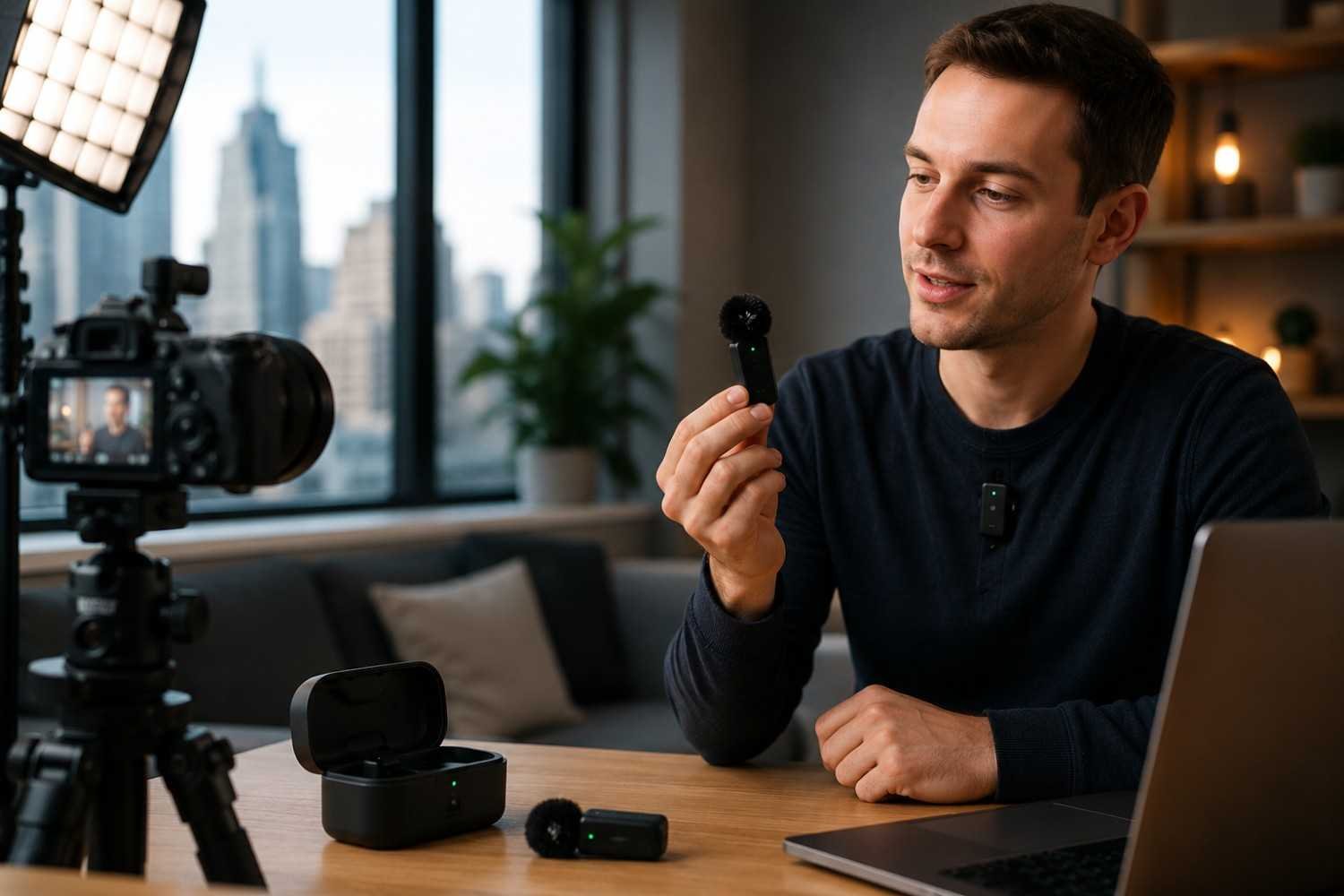
Cheap wireless microphones used to sound thin, unstable, and unreliable. That gap has narrowed significantly.
RØDE Wireless Micro
The RØDE Wireless Micro works well for beginner creators who mainly record on smartphones.
Its direct USB-C and Lightning receiver setup removes unnecessary complexity. Instead of adjusting endless settings, creators can focus on recording immediately.
Automatic gain management also helps newer users avoid distorted audio spikes.
Hollyland LARK A1 Combo
For tight budgets, the LARK A1 delivers surprisingly strong value.
It includes:
- Intelligent noise canceling
- Clean vocal capture
- Lightweight portability
- Simple controls
- Compact storage
That simplicity matters because many creators abandon audio upgrades when setups become overly technical.
Expensive Mics Are Worth It Only for Certain Workflows
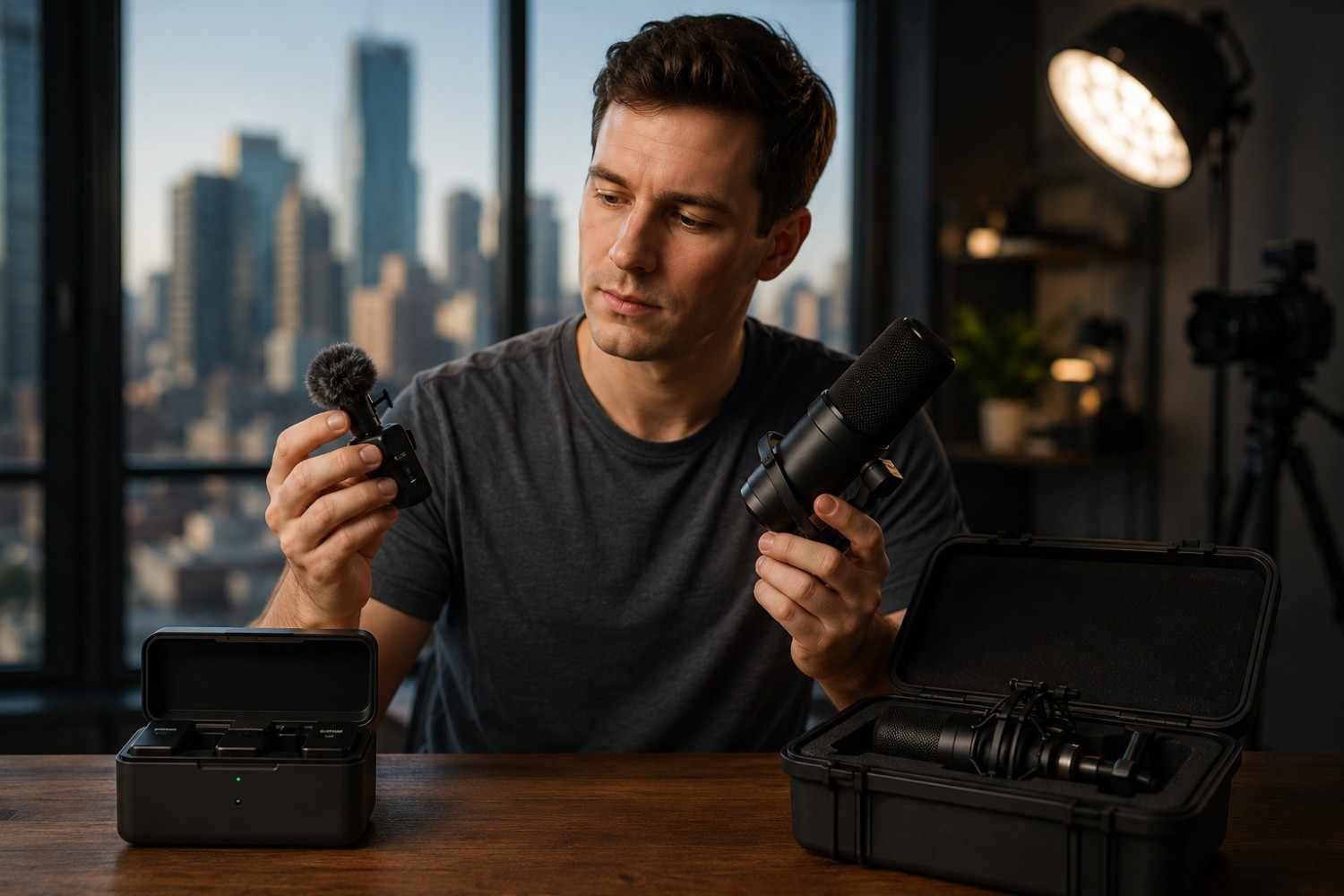
Not everyone needs premium wireless systems.
If you mostly film:
- Casual TikToks
- Indoor reels
- Short talking-head clips
- Basic smartphone videos
then entry-level or mid-tier microphones often provide more than enough quality.
Premium microphones become worthwhile when:
- Audio failure would ruin paid work
- You record outdoors frequently
- You shoot interviews professionally
- You need backup protection
- You work with multiple cameras
- You edit audio professionally
The smartest purchase usually depends less on popularity and more on workflow reliability.
FAQs: Wireless Mic Recommendations for Videos That Are Worth the Money
1. What is the best wireless mic for YouTube videos?
The best option depends on your setup, but the DJI Mic 2 and RØDE Wireless PRO are popular for professional-quality YouTube recording.
2. Are wireless microphones better than phone microphones?
Yes. Wireless microphones dramatically improve vocal clarity, reduce background noise, and maintain more consistent sound levels than built-in smartphone microphones.
3. What is a 32-bit float recording?
32-bit float recording captures a wider dynamic range, allowing creators to recover distorted or extremely quiet audio during editing.
4. Do expensive wireless microphones sound noticeably better?
Premium microphones usually offer cleaner transmission, stronger signal stability, backup recording, and better noise handling, especially during professional shoots.
The Difference Between Watchable Videos and Forgettable Ones
People often obsess over camera quality because visuals feel easier to notice. But strong audio quietly shapes how professional your content actually feels. Clean voice recording keeps viewers engaged longer, builds trust faster, and makes videos feel smoother even before editing begins.
That’s why a good wireless microphone rarely feels like wasted money after using it consistently. Once creators hear the difference between average sound and properly captured audio, it becomes difficult to go back.